How Can You Tell What’s Wrong with Your Plant?
Recognising the problem with your plant starts with close observation. Often, symptoms like yellowing leaves, wilting, curling, or brown spots signal issues that need specific care adjustments. While plant identification apps offer quick insights, they can sometimes confuse lookalike species or misdiagnose problems. Your guide will help you go beyond quick fixes by looking carefully at your plant’s leaves, stems, roots, and environment.
Look for patterns and the location of symptoms. Are leaves turning yellow from the bottom up, or just a few scattered? Is the soil soggy or dry? Are there any signs of pests, like sticky residue, webs, or tiny dots? Getting to know your plant’s normal behaviour and environment helps separate natural life cycles from trouble signs.
What Are the Most Common Causes of Plant Problems?
- Watering mistakes:Both overwatering and underwatering are common and can cause wilting, yellow leaves, and root rot. Check soil moisture regularly with your finger to know when your plant needs a drink
- Lighting problems:Insufficient or too much light can stunt growth or cause leaf burn. Leggy, spindly growth means your plant may be stretching for light
- Pests:Mealybugs, spider mites, aphids, scales, and fungus gnats can weaken your plants by feeding on sap or spreading disease
- Diseases:Fungal infections, bacterial spots, viral diseases, and mildew cause spots, discoloration, and leaf drop
- Nutrient imbalances:Plants need the right nutrients to thrive. Yellow leaves or poor growth may indicate deficiencies or fertiliser overuse
- Environmental factors:Temperature extremes, low humidity, drafts, or dry air can cause browning leaf tips, leaf curling, or drop
Plants usually show distress because of a few key issues that you can manage with the right knowledge:
How to Diagnose Specific Plant Symptoms with Confidence
Understanding what different symptoms mean can drastically improve your care decisions. Here are detailed explanations of common symptoms you might see:
Why Are My Plant’s Leaves Yellow?
Yellow leaves often signal watering issues. Overwatering causes roots to suffocate and plant cells to fail, leading to drooping and yellowing. Dry soil and underwatering can also cause yellowing, usually accompanied by crispy or curling edges. Nutrition plays a role too—lack of nitrogen or other nutrients can cause pale or uniformly yellow leaves. Lighting conditions, especially too little light, are another culprit.
Why Is My Plant Drooping or Wilting?
Wilting may mean either your plant needs water or it’s drowning from excess moisture. Checking the soil is key. If dry, it needs watering; if soggy, roots may be rotting and need better drainage or repotting. Heat stress or cold damage can also cause drooping leaves.
What Causes Brown Spots or Edges on Leaves?
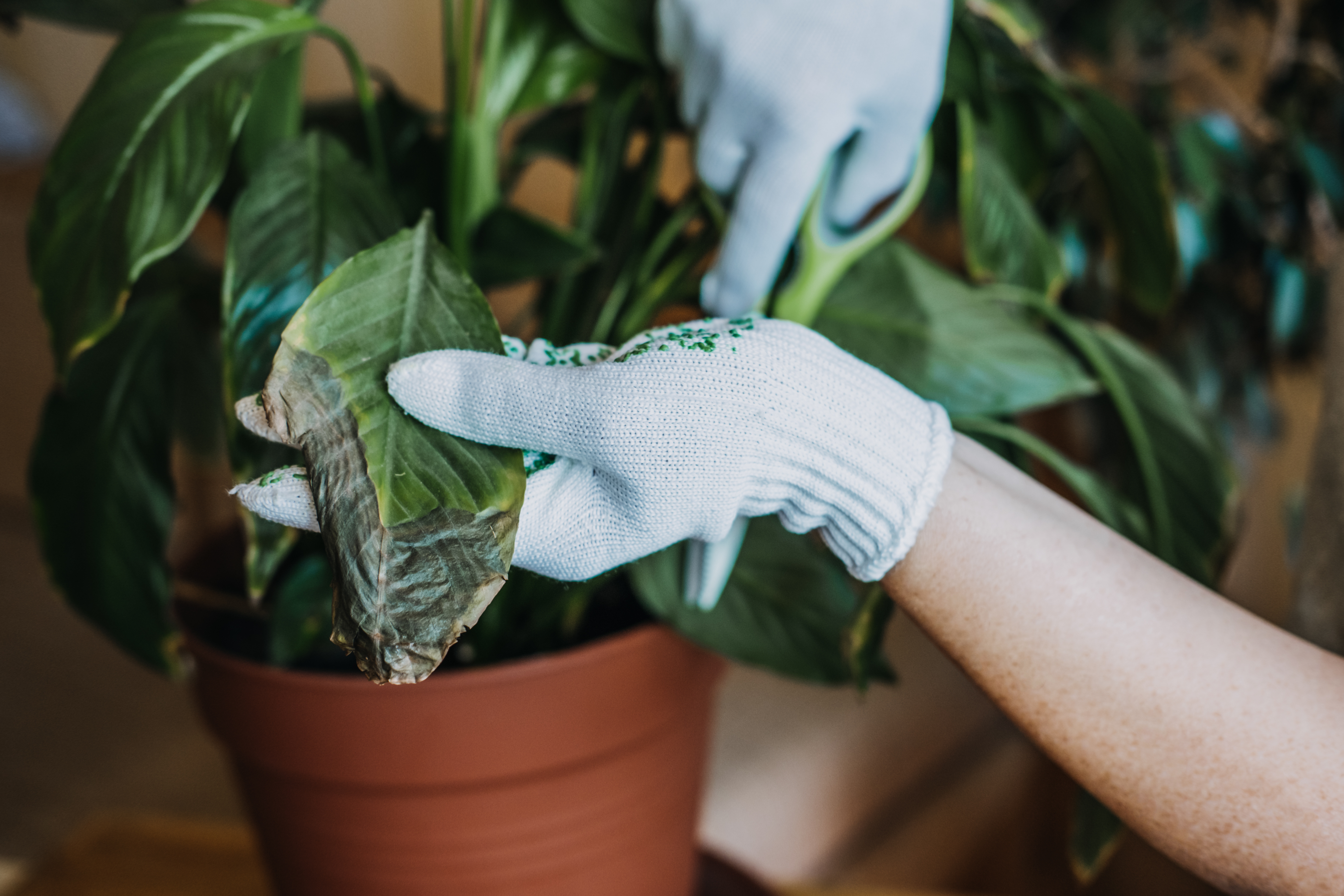
Brown spots usually indicate fungal disease or pest damage. Leaf edges turning brown may be a sign of inconsistent watering, too much fertiliser salt, or low humidity. If you spot fuzzy white areas or rings, fungal infection is likely. Brown leaf tips can also result from dry air or exposure to heat sources.
Why Are My Leaves Curling?
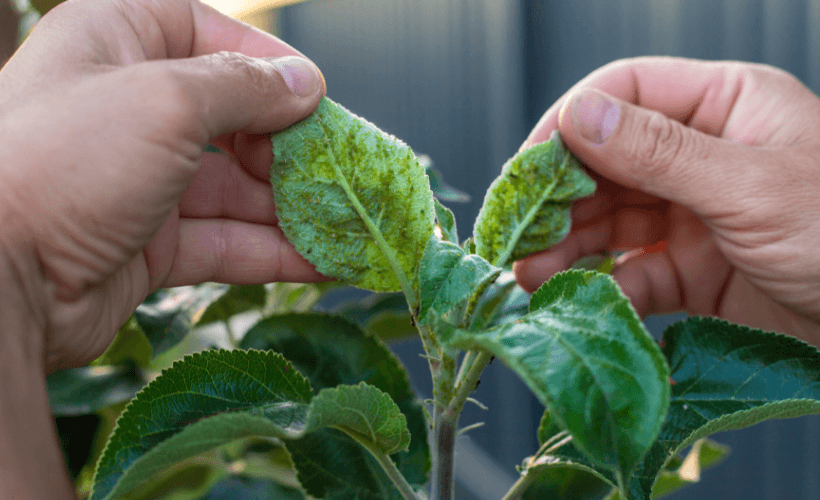
Curling can happen when plants are exposed to pests like aphids or thrips, or if exposed to environmental stress. Too much direct sunlight or fluctuating water supply can cause distorted growth as well.
What Makes Leaves Small or Growth Stunted?
Small leaves and weak growth often point to insufficient light or overwatering. Your plant might also be rootbound or lacking nutrients. Compacted or old soil can limit root function and water absorption.
How to Spot and Manage Common Pests
Look closely for tiny insects on stems and leaves, sticky residues, webs, or tiny spots. Frequent pests include:
- Aphids:Small green or yellow dots that cluster on new growth
- Spider mites:Fine webs and tiny specks visible under bright light
- Mealybugs:Cottony white masses on stems or leaf joints
- Scale insects:Dome-shaped bumps sucking sap from leaves
Removing pests with water sprays, insecticidal soaps, or natural remedies like neem oil works best early on.
When to Use Plant Identification and Disease Diagnosis Apps
Plant identification apps are useful starting points to understand your plant species and typical problems. Leading free apps like Plantora, Agrio, and PlantNet offer plant and problem recognition with care guidance. However, they can misidentify diseases or pests, so use more than one tool and verify with other expert sources or guides.
For complex issues, expert help from local master gardeners, plant clinics, or gardening communities can provide personalised advice.
How Can You Help a Struggling Plant Thrive Again?
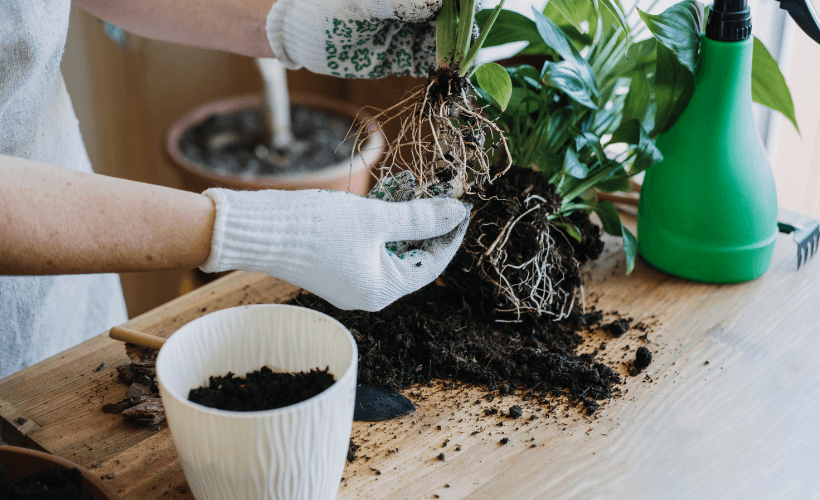
Once you understand the problem, your next steps are key:
- Adjust watering based on soil moisture, avoiding puddles or dryness
- Provide adequate but not harsh light, rotate plants to prevent lopsided growth
- Improve air circulation and humidity for sensitive plants
- Repot if roots are crowded or soil seems poor
- Remove diseased or heavily infested leaves to prevent spread
- Use gentle pest control methods early
- Feed with balanced, suitable nutrients following manufacturer guidance
- Keep plants away from heat sources, drafts, and extreme temperatures
Remember, plants mostly recover with good conditions rather than routine heavy treatments.
Make Plant Care Simple and Enjoy Your Green Space
Feeling confident in diagnosing and treating your plants will transform your gardening experience. Your plants will thank you with vibrant growth and fewer setbacks.
simply plants offers a curated selection of shrubs, perennials, and easy-to-grow plants paired with accessible guidance to help you nurture your indoor and outdoor spaces stress-free.
The path to thriving plants starts with understanding their unique needs. With patience and attentiveness, those yellowing leaves or drooping stems will turn into green, flourishing foliage. Your plant care confidence grows with every observation, care tweak, and the gentle expertise simply plants is here to provide.