The Difference Between Plant Types
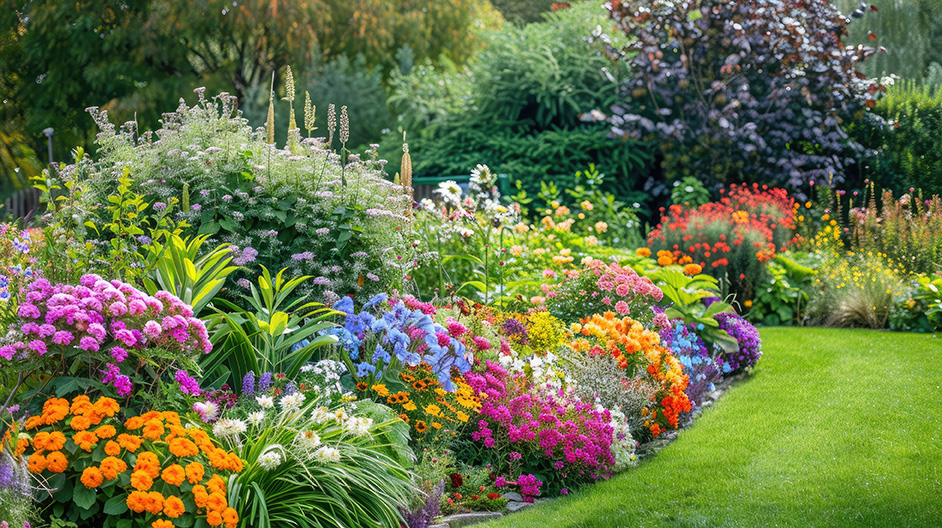
Understanding the many different plant categories is your first step towards an eye-catching outdoor space. Whether you dream of an urban escape or are designing a classic English country garden, knowing which plant types do what, and how they work together, will help bring your ideas to life. This guide explains the key types of plants and their differences, so you can create a garden that provides structure, colour and visual interest all year round.
The different plant categories to consider:
- Annuals:These plants complete their life cycle in one year, from seed to flowering to seed production and dying
- Perennials:Regrowing each season from their roots or base, perennials will live for several years
- Biennials:Usually taking two years to grow, they form leaves in the first year and flower in the second
- Shrubs:A much smaller version of a tree and a low maintenance choice, shrubs typically have a bushy shape and multiple stems that grow from the base
- Trees:Available in many varieties, trees are defined as tall plants with a single main trunk, and many branches and leaves
- Bulbs:A bulb is an underground storage structure that stores nutrients and produces new shoots and roots, often flowering seasonally
We’re going to focus on six different garden plants: Annuals, Perennials, Biennials, Shrubs, Trees and Bulbs. Each has varying care needs and impact. Here is a quick look at the plant categories to consider when building your garden.
Annuals
Annuals germinate, grow, flower, and produce seed all within one growing season, before dying off. The sole purpose of annuals is to grow quickly and reproduce. They give you an abundance of flowers, and bring warmth and colour to your garden from late spring through to the first frost.
Annuals are loved by gardeners who like to change their displays each year or fill gaps with instant impact, and many will stagger plantings across two years so something is always blooming.
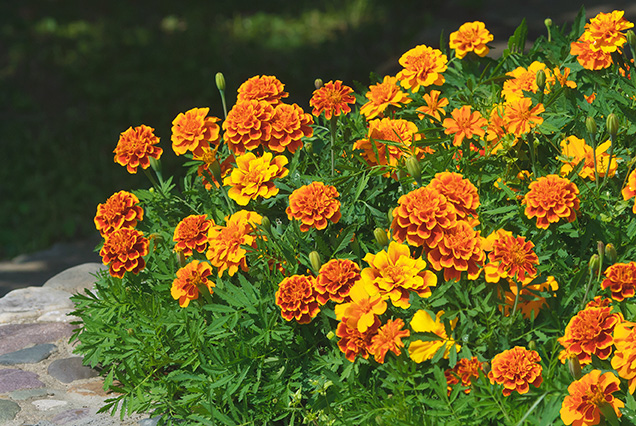
Key features of Annuals:
- Long-lasting seasonal colour
- Need to be replanted each year
- Great for containers, borders and baskets
- Require more maintenance than perennials, but produce far more flowers in a single season
Types of Annuals:
- Petunias
- Marigolds
- Zinnias
- Cosmos
- Sweet Peas
Perennials
Perennials live for multiple years. They die off when the weather gets colder and come back as it gets warmer. As they don’t need to be replanted every year, they provide a long-term foundation when designing a garden. Their flowering period is often shorter than annuals, but they offer consistency, structure and reliability.
Perennials are often used to build the backbone of flower borders, filling spaces year after year, while evolving gradually as they mature. You can also divide them over time and expand your planting naturally.
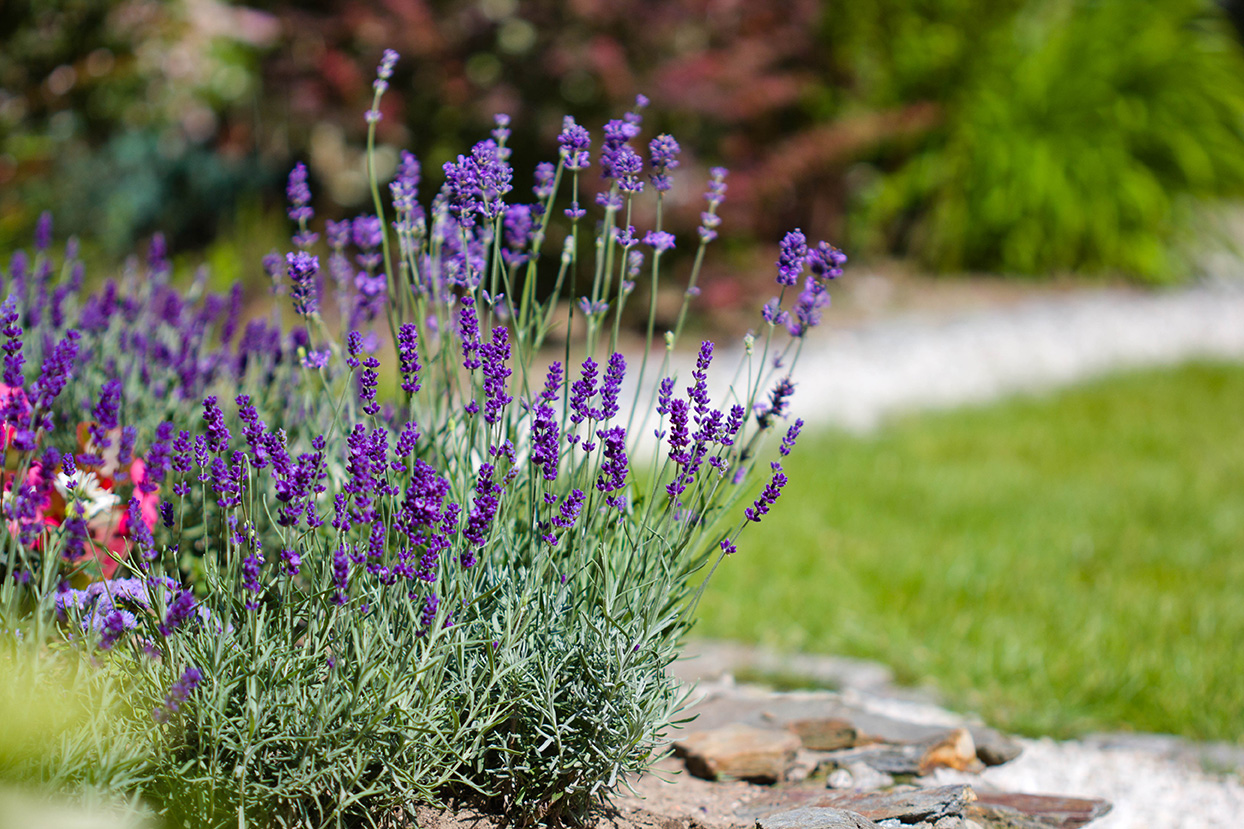
Key features of Perennials:
- Last several years, returning each year from their root systems
- Require less long-term maintenance than annuals
- Provide consistent structure and texture
- They offer longevity rather than the constant seasonal colour of annuals
Types of Perennials:
- Lavender
- Hostas
- Peonies
- Echinacea (Coneflower)
- Rudbeckia
Biennials
Biennials require a little more patience to grow and will complete their life cycle over two years. In the first year, they establish strong roots and leaves start to grow. In the second year, they flower, set seed, and then die. The wait is worth it though, with dramatic, bold displays that stand out in the garden.
Biennials are especially popular in cottage-style gardens. When allowed to self-seed and spread gently, these plant types create a soft, relaxed effect.
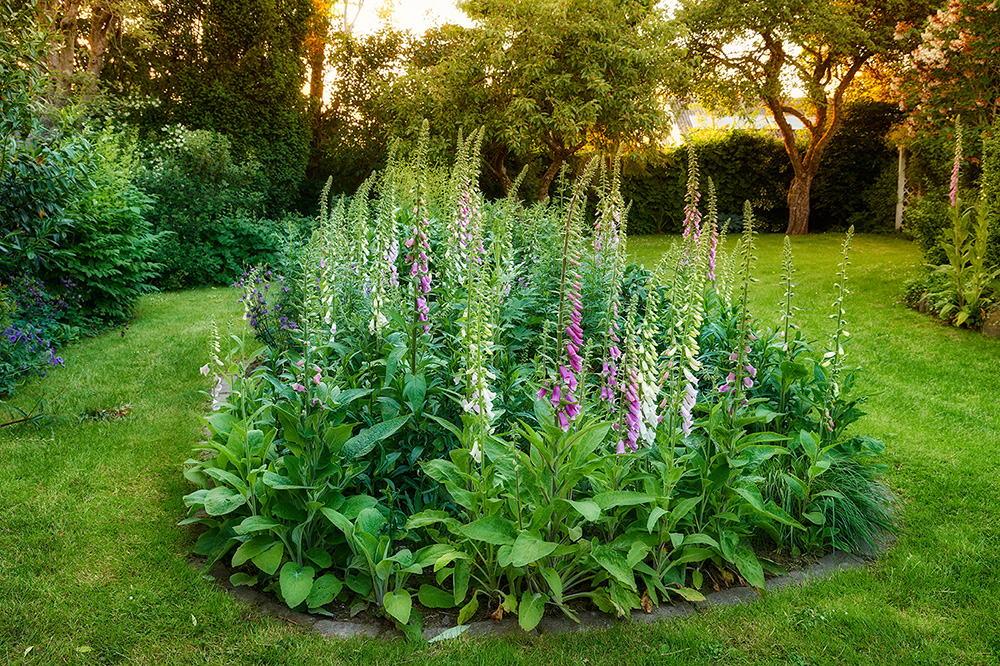
Key features of Biennials:
- Take two years to complete their life cycle
- Often self-seed for future growth
- Create blooming displays in the second year
- Compared to perennials, flowering is short-lived, but more dramatic and impactful
Types of Biennials:
- Foxgloves
- Sweet William (Dianthus Barbatus)
- Honesty (Lunaria)
- Wallflowers
- Teasel
Shrubs
Shrubs form the structural framework of many gardens. They are woody plants but, unlike trees, they often have multiple stems growing from the base and are much smaller with a bush-like shape when fully grown. Many shrubs are evergreen, offering colour and structure all year round. Others are deciduous, so you’ll see a change in appearance in each season.
Shrubs are one of the most versatile plant categories a gardener can work with, often used for hedging, screening, borders, and focal points. Once established, they’re generally low-maintenance, requiring minimal upkeep, while creating a solid backdrop for other plant types to take centre stage.
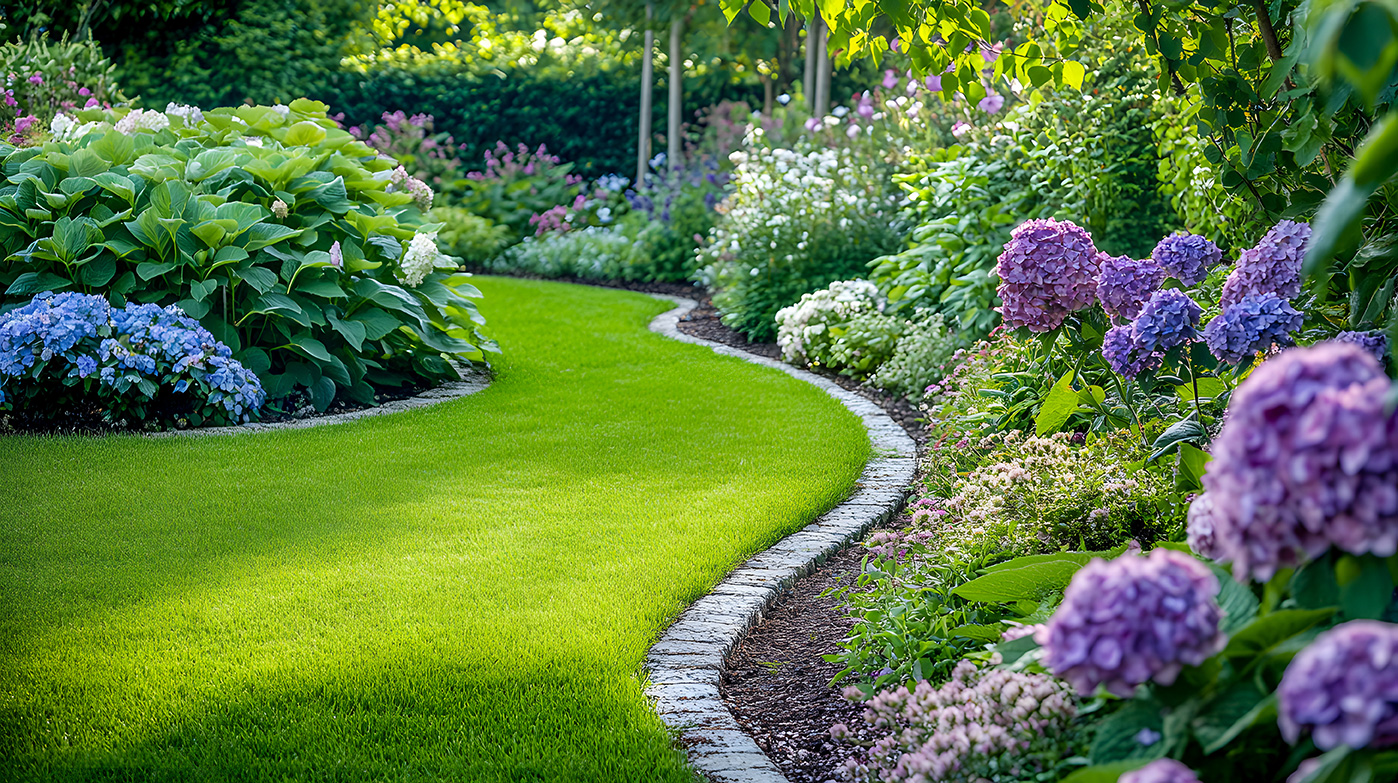
Key features of Shrubs:
- Create a permanent structure in the garden
- Can be both evergreen or deciduous
- Often used for hedging and privacy screening
- Compared to trees, they remain lower and have multiple stems rather than a single trunk
Types of Shrubs:
- Clematis
- Hydrangea
- Magnolia
- Ivy
- Fern
Trees
Trees are the largest and longest-living plants in the garden. Not every garden has space for a tree, but they can become a defining feature. They provide height, shade and a majestic presence that a lot of other plant types simply can’t match. Trees are a true long-term investment, usually living for decades or even centuries.
Trees don’t just look great – they also support wildlife, improve air quality, and create microclimates that benefit the various other types of plants in your garden.
When choosing a tree, think carefully about the location and consider canopy spread, root behaviour, and mature height before planting. Placing a tree in the wrong position is a much harder problem to fix than moving a shrub.
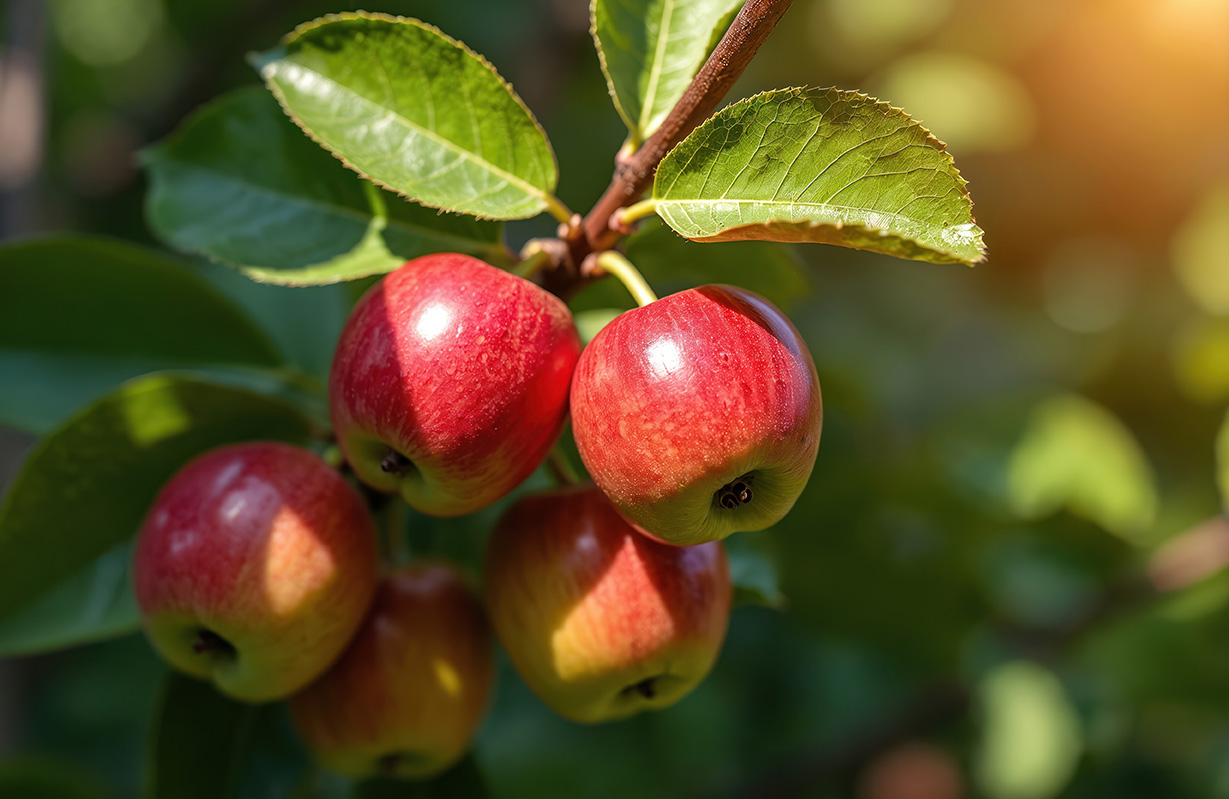
Key features of Trees:
- Provide height, shade and structure
- Support wildlife and biodiversity
- Grow slowly and live for many years
- Taller and more dominant than shrubs with a single trunk and multiple branches
Types of Trees:
- Silver Birch
- Apple Trees
- Oak
- Blossom
- Cherry Trees
Bulbs
Bulbs are underground storage structures that allow plants to survive dormant periods and re-emerge when the conditions are right. They store all the energy needed for growth and flowering, often producing some of the earliest and most striking blooms in the garden year.
Bulbs are known for being incredibly easy to plant and are used by gardeners to create seasonal displays that return each year. They can also be layered in containers or borders for continuous flowering throughout different seasons. For example, spring bulbs will be planted in autumn, and bulbs that flower in summer will be planted in spring.
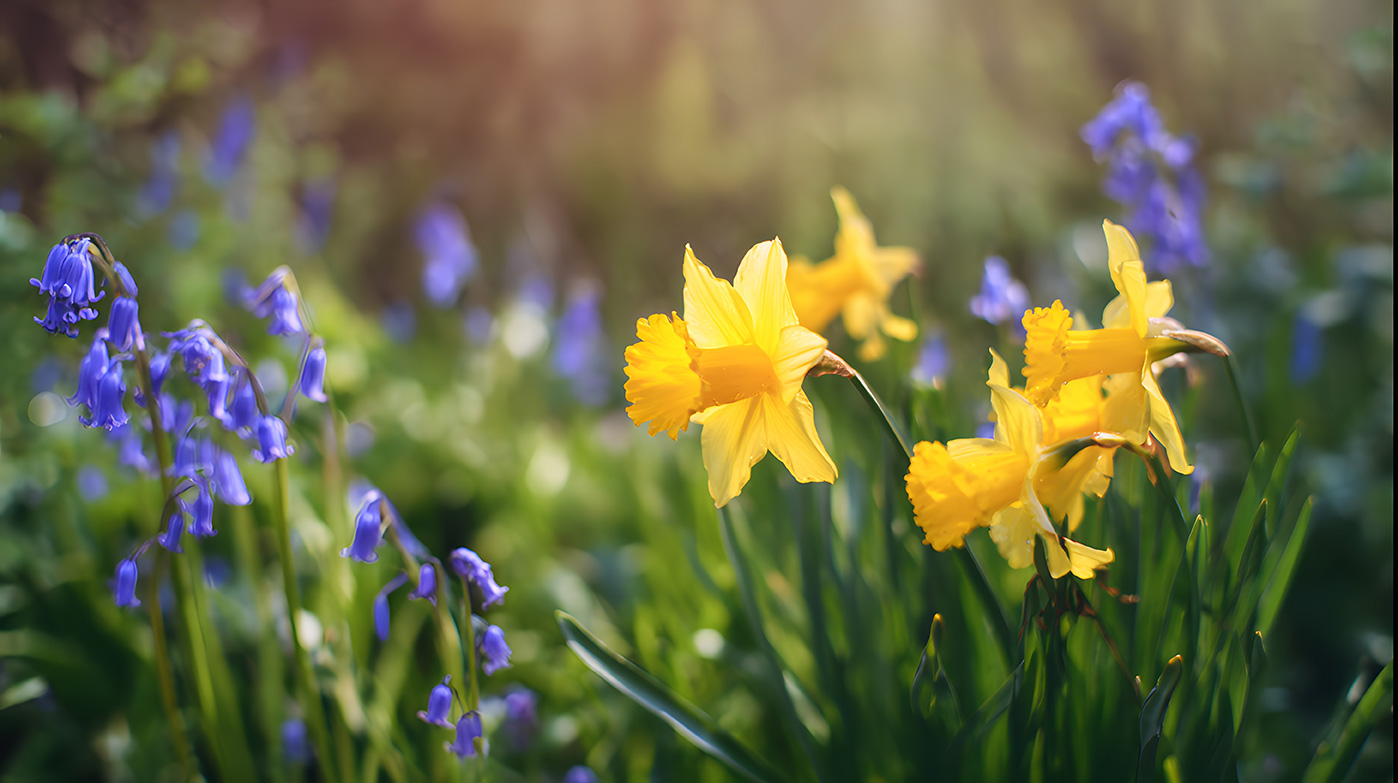
Key features of Bulbs:
- Store energy underground then use this to regrow
- Often flower in spring or early summer
- Easy to plant and maintain
- Similar to perennials, many will return year after year
Types of Bulbs:
- Tulips
- Daffodils
- Bluebells
- Anemone
- Alliums
The Best Combination of Plant Types for a Flourishing Garden
A garden that combines several types of plants is a garden with genuine staying power and one that will draw admiring glances. As different plants have different life cycles, growth habits and seasonal strengths, you can ensure your outdoor space always has something to offer. Using a thoughtful mix of plant types creates year-round interest, balance and longevity.
Here’s how each plant type contributes to a well-kept and attractive garden:
- Annuals:Provide bursts of vibrant, short-term colour, filling seasonal gaps, and creating vivid displays
- Perennials:The dependable foundation that returns each year with a structure you can rely on
- Biennials:Add mid-cycle drama and natural charm, often self-seeding to create evolving planting schemes that surprise you each time
- Shrubs:Establish the long-term framework, and offer height, privacy, and low-level architectural structure
- Trees:Long-lasting and grand, a tree can be an eyecatching addition, a habitat for small wildlife, and a friend to your garden’s eco-system
- Bulbs:Expect striking seasonal highlights, from early spring colour to bold summer blooms
A World of Plant Types at simply plants
If you want the ideal blend of plants, simply plants has a wide selection of plant types to build a garden that thrives in every season. From vibrant annuals and dependable perennials to evergreen shrubs, striking trees and seasonal bulbs, there’s something for every outdoor space.
Whether you’re creating your garden from the ground up or adding some gentle enhancements to a patio, terrace or lawn, choosing the right types of plants can transform your outdoor area. Discover high-quality plants that bring lasting beauty and life to your garden year after year.