Buying a new plant can be exciting yet a little daunting, especially when it arrives from an online shop. Ensuring it transitions smoothly is key to its health and your long-term enjoyment. Your guide here will show you how to inspect, acclimate, water, and repot your new plant with care and confidence, avoiding common pitfalls and easing transplant shock.
How to Unbox and Inspect Your New Plant
When your plant arrives, unpack it promptly indoors to shield it from extreme temperatures. Handle gently as shipping can cause leaves or stems to be fragile. Remove all packaging materials carefully, and examine the plant thoroughly for any signs of damage or pests.
Look closely at leaves, stems, and soil surface in daylight, using a magnifier if needed. Seek pests like mealybugs, spider mites, or aphids, which can hide under leaves or in soil. Also, check for yellowing or wilted foliage, which may be normal post-transit stress but should be monitored. Early detection helps avoid infestations spreading to your other plants.
If you're still concerned there's something wrong with your plant, read our Expert Plant Problem Diagnosis guide, to help identify any issues and how to resolve them quickly to ensure your plant thrives.
Should You Water Your Plant Right Away?
- Roots outgrowing drainage holes
- Compacted, poor-quality soil
- Plant instability or top heaviness
- White salt deposits on soil surface
- Water moderately:Check soil moisture before watering, aiming to keep roots moist but never soggy
- Clean leaves:Dust and debris block photosynthesis, so gently wipe leaves or shower hardy plants with lukewarm water
- Wait to fertilise:Let your plant settle for 6-8 weeks before introducing fertiliser; many potting mixes have enough nutrients
- Monitor temperature:Keep plants away from cold drafts or heat vents and maintain ambient warmth above 65°F if possible
- Right location:Research your plant’s light and humidity needs to find a suitable spot, avoiding extremes that cause stress
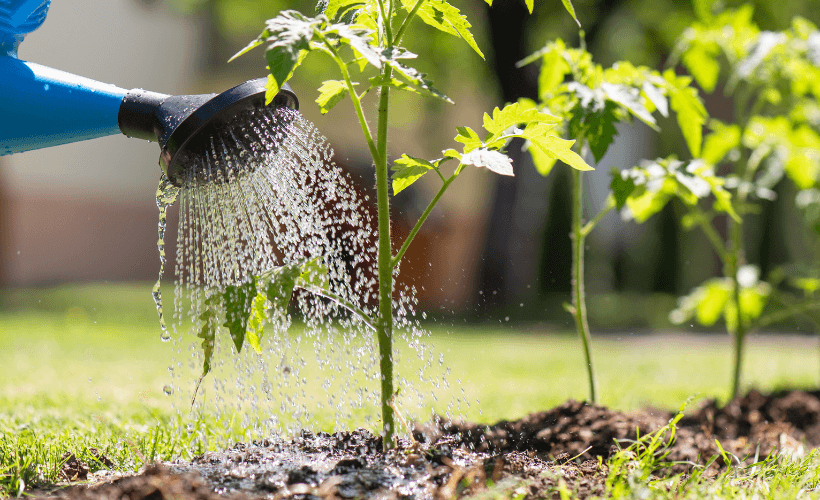
Watering is crucial but timing matters. Upon arrival, feel the soil about an inch deep. If it's dry, a thorough watering is beneficial to settle the roots and hydrate your plant after its journey. However, if the soil is damp, hold off watering to prevent overwatering and root rot. Your new plant’s watering needs will depend on its type, potting medium, and the climate inside your home. Experiment gently by checking soil moisture regularly rather than watering on a fixed schedule. Remember, plants vary widely – succulents prefer drier soil, while tropical plants like consistent moisture.
When and How to Repot Your New Plant
Resist the urge to repot immediately as new plants benefit from settling into their current environment before enduring transplant shock. Typically, waiting 2-3 weeks before repotting is best unless you observe signs that repotting is necessary:
When repotting, choose a container just 2 inches larger in diameter than the current pot. Too large a pot can retain excess moisture, leading to root rot. Gently loosen roots if they are tightly bound but avoid excessive disturbance. Repot during the plant’s growing season for best recovery.
Acclimatising Your Plant to Its New Home
Plants shipped from our simply plants nursery may face sudden changes in light, humidity, and temperature. Give your plant a few days in indirect light, away from direct sun or cold drafts. Avoid sudden moves or repositioning to reduce stress.
This acclimatisation phase lets your plant slowly adjust, reducing leaf drop or shock symptoms. If possible, quarantine new arrivals for at least 2 weeks apart from other plants to catch any pests early. Patience at this stage supports stronger long-term growth.
Common Concerns When Receiving Plants by Mail
Many new plant owners worry about unseen damage or pests, the right timing for watering and repotting, and the risk of shocking the plant. It’s normal to feel cautious. Understanding that some leaf loss or yellowing is typical transport stress helps reduce worry.
Different plants need tailored care – bare root plants or those sensitive to direct sunlight need gentler introduction, while others tolerate quicker acclimation. Establishing a routine of observation, gentle care, and informed decision-making leads to a thriving plant and a rewarding growing experience.

Caring for Your New Plant: Practical Tips
Ready to Transform Your Space with Plants Made Simple?
Your new plant is more than just décor, it’s a living companion that brings life and calm to your garden. At simply plants we understand the challenges that come with plant care and we’re here to make it straightforward and confidence-building. guide, to help identify any issues and how to resolve them quickly to ensure your plant thrives. Explore our Advice Hub of easy-to-grow shrubs, perennials, and more, complete with clear care guides.