Topiary for Beginners: Guide to Choosing, Growing, and Maintaining
Topiary is one of the simplest ways to bring structure, elegance, and year-round interest into your outdoor space. Whether you’re working with a compact patio or a larger garden, these carefully shaped plants create an instant sense of order and style. From classic clipped to striking spirals, topiary offers a timeless look that suits both modern and traditional settings.
If you’re new to topiary, getting started might feel a little daunting, but it doesn’t need to be. With the right plant choices and a few basic care techniques, you can easily grow and maintain beautiful, sculpted greenery at home. In this guide, we’ll walk you through everything you need to know, from choosing the best plants to keeping your topiary looking neat, healthy, and full of life.
What Is Topiary and Why Choose Topiary Plants?
Topiary is the horticultural art of training and clipping plants into clearly defined shapes such as balls, spirals, cones, or even whimsical figures. It adds sophisticated structure and year-round appeal to gardens, patios, and entrances. The plants most suited for topiary are evergreen shrubs with small, dense leaves that respond well to trimming and shaping. These plants provide a lasting decorative feature, giving your outdoor space architectural interest whatever the season.
Choosing topiary can feel like adding living sculpture to your garden. Beyond aesthetics, topiary plants are versatile for planting directly in the ground or in containers, making them accessible for various garden sizes and styles. You might find a pair of spirals flanking your front door instantly uplifts your home entrance, or a row of topiary balls creates a formal border that never loses its charm.
What Are the Best Plants for Topiary?
Selecting the right plant species is key to successful topiary. Traditionally, boxwood (Buxus sempervirens) and yew (Taxus baccata) have been top choices for their dense foliage and slow growth rates, which demand less frequent trimming. However, issues like susceptibility to diseases have encouraged gardeners to explore alternative species such as:
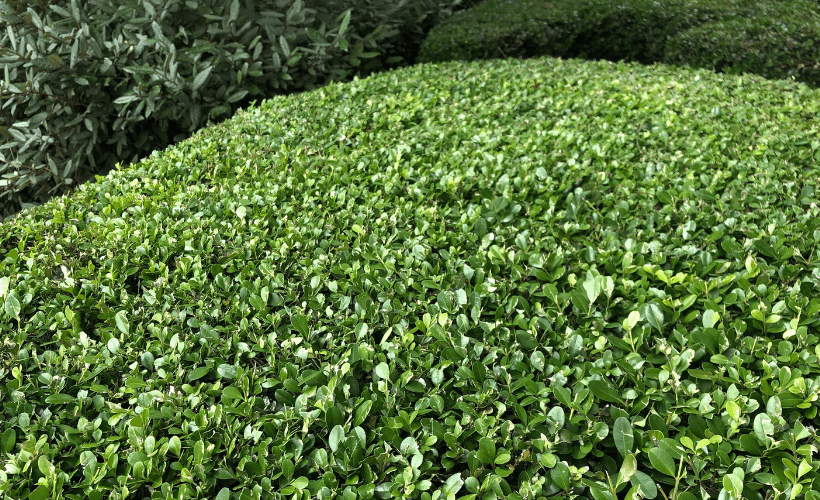
- Boxwood (Buxus Sempervirens):Popular for small, classic shapes due to dense, small leaves. Slow growing and evergreen with timeless appeal. Needs watering during establishment and light annual fertilising to thrive.
- Japanese Holly (Ilex crenata):A fantastic boxwood substitute with small evergreen leaves and compact growth habit. It thrives in moist, well-drained soils and can be shaped into shapes like 'cloud pruning' for a distinct Japanese aesthetic.
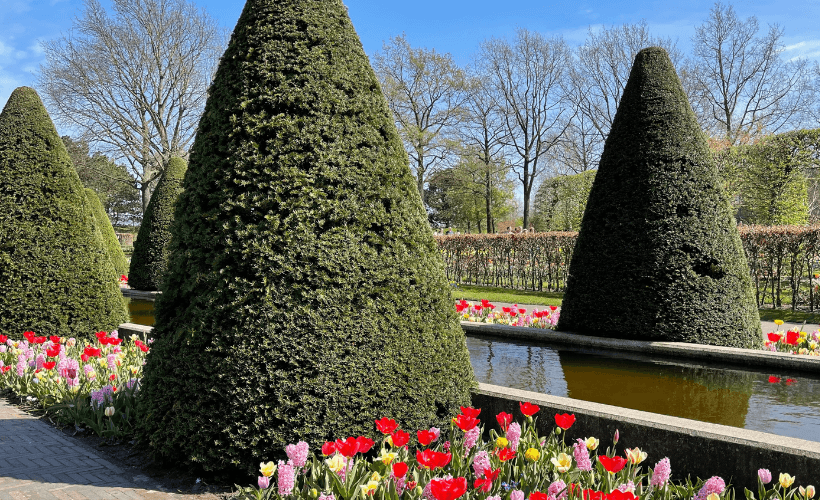
- English Yew (Taxus Baccata):Ideal for larger topiary shapes such as spirals and cones. Yew is slow growing with glossy green needles and tolerates partial shade well.
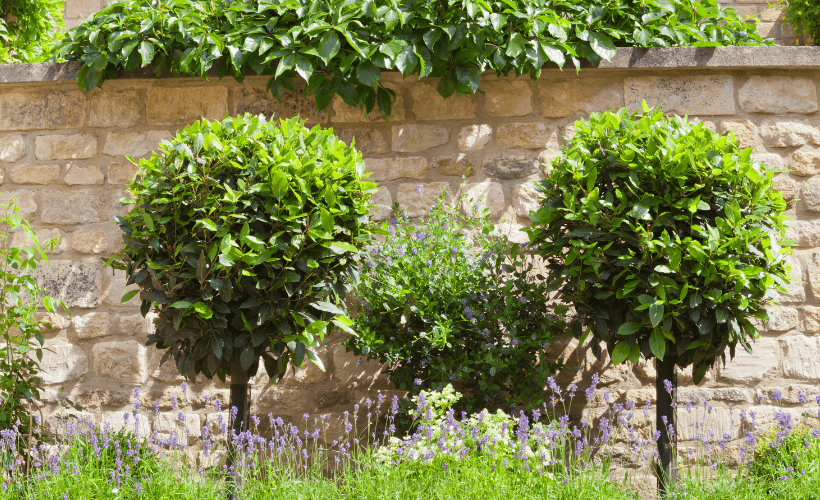
- Bay Laurel (Laurus Nobilis):Evergreen with aromatic leaves, suitable for simpler shapes like balls or standards. Can be grown in pots and benefits from moderate watering and sheltered spots.
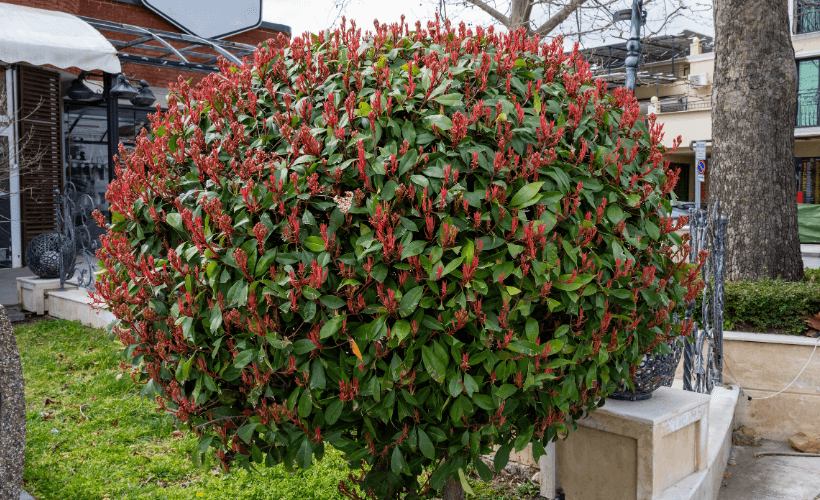
- Photinia (Red Robin):Offers seasonal interest with red-tipped leaves that contrast with its evergreen foliage. Fast growing and hardy, making it suitable for larger topiary or as a colourful alternative.
- Euonymus:Known for its variety of foliage colours, slow growth, and density, Euonymus makes shaping easy and maintains a neat form with minimal effort.

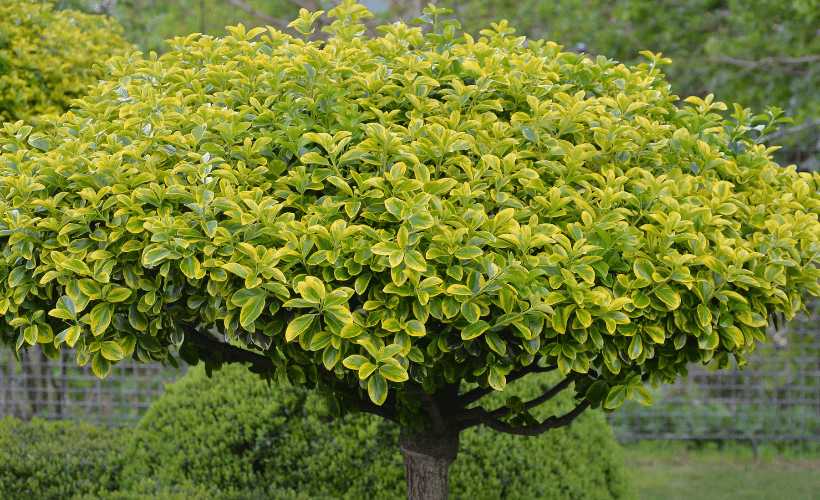
When searching for a plant, look for healthy specimens with dense foliage and well-shaped growth at the base. Avoid plants with yellowing or patchy leaves to ensure you start with a vibrant, manageable specimen.
How to Start Your Own Topiary Project with Containers
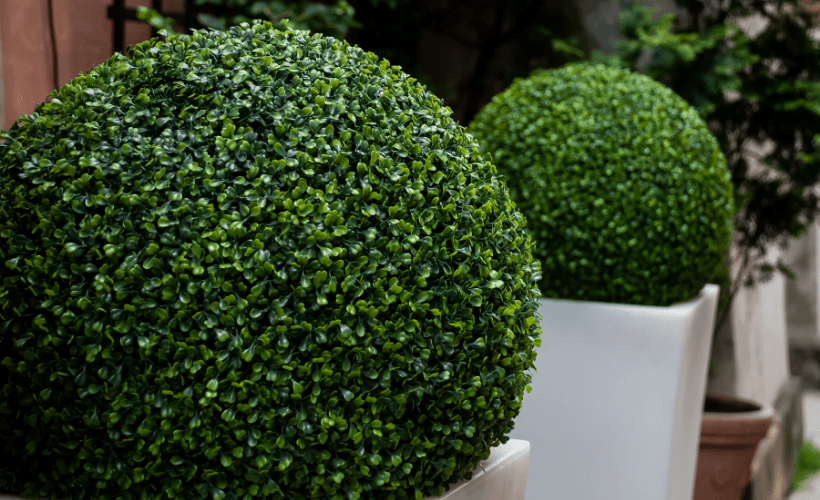
Beginning with containers is an excellent way to try topiary without committing to large garden spaces. Container topiary offers the freedom to move your plants according to season or space needs while simplifying care.
You might find smaller shapes like balls, cones, or spirals particularly manageable in pots. Use a high-quality, well-draining compost and containers heavy enough to prevent tipping, especially for taller plants. Regular watering is essential, as containers dry out faster than garden soil. Feed your topiary in spring with a balanced fertilizer to support growth.
Starting small also means you can experiment with different pruning styles and learn to manage shaping gradually. Your container topiary can enrich patios, balconies, or doorways with elegant greenery that feels confident and precise.
How to Care for and Maintain Topiary Plants
Maintaining topiary's crisp lines and healthy foliage requires thoughtful care. Here are some key considerations to keep your plants in top shape:
- Regular Pruning:Most topiary plants benefit from pruning one or two times a year, typically in early summer and again in late summer if needed. Avoid late-season cuts that encourage soft new growth vulnerable to frost
- Watering:Consistent watering is necessary, especially during establishment or dry spells. Take care to water at the base and not overwater. Evergreen topiary plants can suffer if soil remains waterlogged
- Feeding:Apply a balanced, slow-release fertiliser annually or supplement with regular liquid feeding during the growing season to maintain vigour
- Pest and Disease Awareness:Traditional boxwood is susceptible to box blight and box tree caterpillar. Alternatives like Japanese holly and yew tend to be more resistant, but monitoring for pests is vital
- Hard Pruning and Rejuvenation:If your topiary has become neglected, many evergreens respond well to hard pruning in early spring. Mulching afterwards and providing extra care can help promote healthy new growth
- Using Frames:For intricate shapes, wire frames can guide growth and make clipping straightforward, especially useful for beginners or complex designs
With patience and consistent attention, topiary can flourish, becoming a long-term highlight of your garden or outdoor space.
What Are Common Challenges and How to Overcome Them?
Gardening with topiary isn't without its challenges. You might encounter difficulty in selecting native species suitable for your climate or specific garden conditions such as dry soil or container planting.
- Plant Selection Issues:If you prefer native or drought-tolerant plants for topiary, consider species like yew or photinia, which adapt well to varied conditions
- Identifying Suitable Alternatives to Boxwood:For those affected by box blight, Japanese holly and euonymus are popular, resilient substitutes that maintain the classic topiary appearance
- Maintaining Shape:Keeping the form may challenge newcomers. Using pruning guides, frames, and reliable trimming routines helps maintain symmetry and encourages dense growth
- Caring for Container Plants:Plants in pots need more frequent watering and feeding, plus heavier pots to prevent falling over
Any impediments you face can become manageable with the right plant choices and care strategies, allowing you to enjoy the beauty and sophistication of topiary.
How to Choose the Right Topiary Plant for Your Garden Conditions?
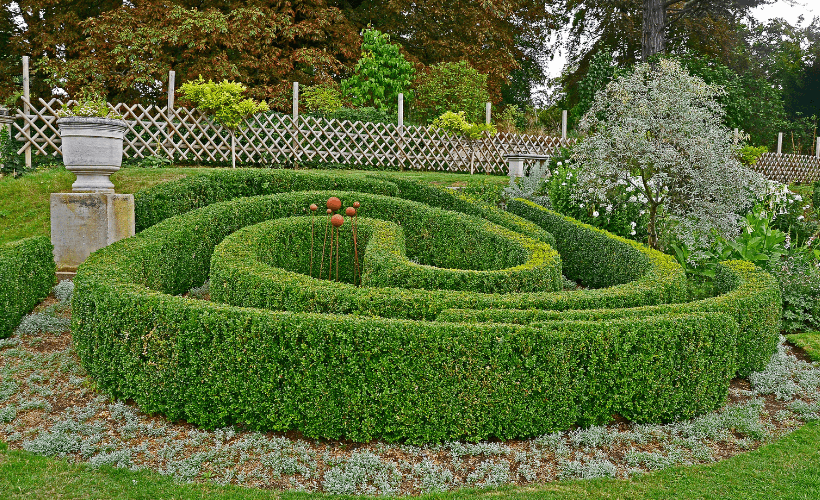
Choosing a topiary plant that suits your garden conditions ensures your plants remain healthy and your work rewarding. Consider these elements:
- Sun Exposure:Boxwood and yew tolerate full sun to partial shade well. Japanese holly prefers part shade, thriving without scorching
- Soil Type:Most topiary plants prefer moist but well-drained soil. Ensure your planting beds or pots have good drainage to prevent root rot
- Climate:In wetter regions, select plants less prone to fungal diseases, such as yew or euonymus. Warmer or drier gardens may favour photinia or bay laurel for their drought resistance
- Space Availability:For smaller spaces or patio gardens, compact species like Japanese holly or small-leaved euonymus are ideal
Taking note of these factors can make your selection successful, ensuring your topiary thrives with minimal fuss.
Ready to Simplify Your Garden with Topiary?
Topiary offers a beautiful way to transform your garden with clarity and confidence. Whether you are seeking timeless boxwood balls or creative cloud-pruned hollies, there is a topiary plant suited to your style and space.
You might explore our range of ready-grown topiary plants or enjoy nurturing young specimens in containers. With the right knowledge, your journey into this elegant garden art becomes joyful and rewarding.
Our team’s here to help you find the perfect topiary plants for your garden conditions and assist with care tips. Ready to bring architectural elegance to your outdoor space? Discover quality topiary plants that combine expert knowledge with simple care to make your garden truly yours.
Explore our topiary plants selection today and embrace gardening made easy with simply plants.