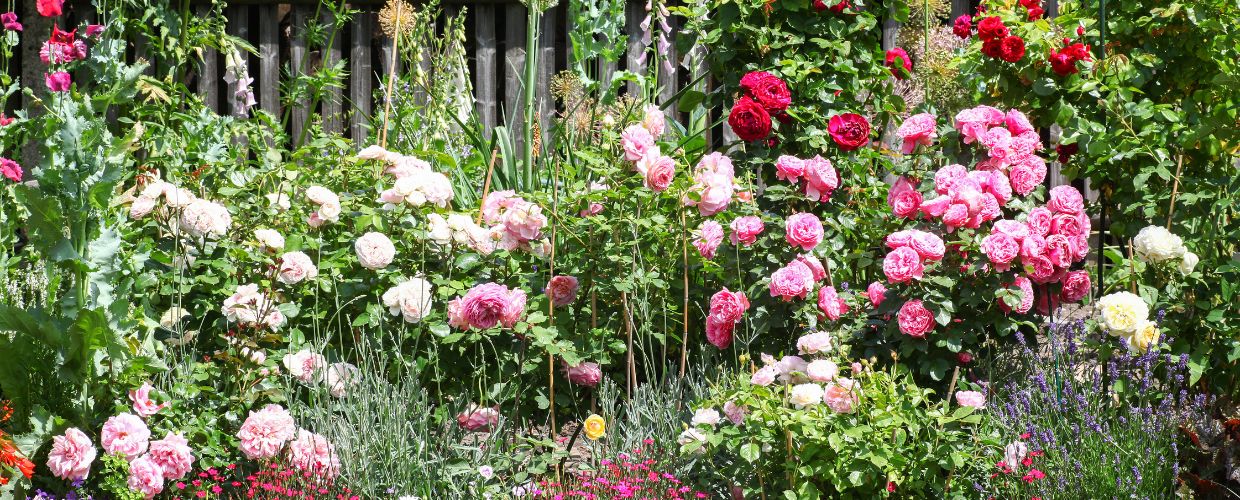
Roses can bring colour, fragrance and a classic garden feel to almost any outdoor space.
However, not every rose grows in the same way. Some form neat, upright shrubs, others spread low across the ground, while climbing varieties produce long stems that can be trained over walls, fences and arches.
Understanding the difference between bush, carpet and climbing roses makes it much easier to choose the right plant for your garden.
What Is a Bush Rose?
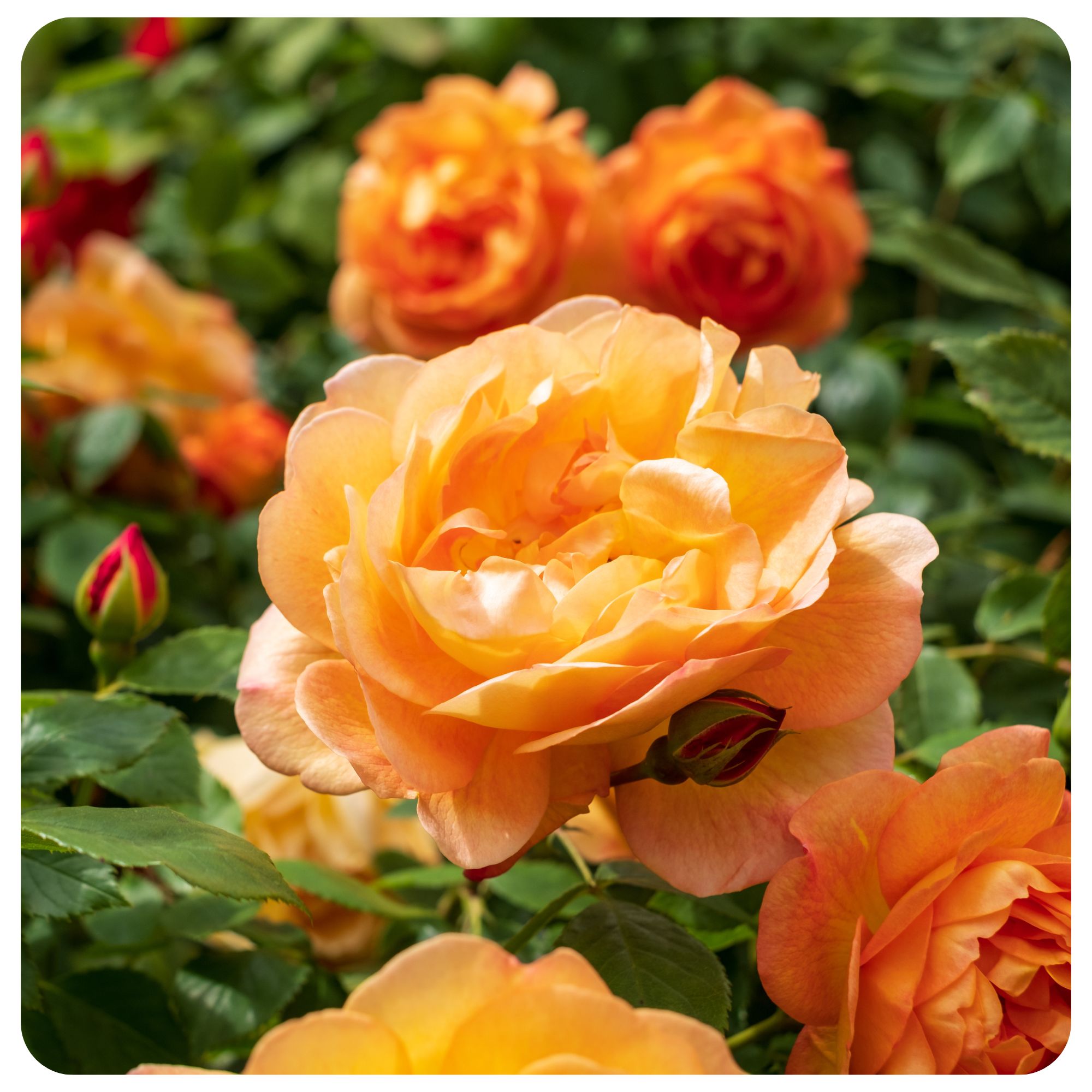
Bush roses grow as rounded, upright shrubs. They are one of the most versatile types of rose and work well as individual feature plants or as part of a mixed border.
Most remain at a manageable size, making them suitable for medium and smaller gardens. Compact varieties can also grow successfully in large patio containers.
Bush roses are particularly well suited to:
- Traditional borders
- Cottage gardens
- Patio pots
- Formal rose beds
- Planting near paths and seating areas
What Is a Carpet Rose?
Carpet roses, sometimes called ground-cover roses, grow lower and wider than traditional bush roses.
Their spreading stems help cover bare soil, soften the front of borders and fill awkward spaces. They are especially useful when you want plenty of flower colour without adding too much height.
Carpet roses work well for:
- Ground-cover planting
- The front of borders
- Slopes and banks
- Large containers
- Low-maintenance garden schemes
What Is a Climbing Rose?
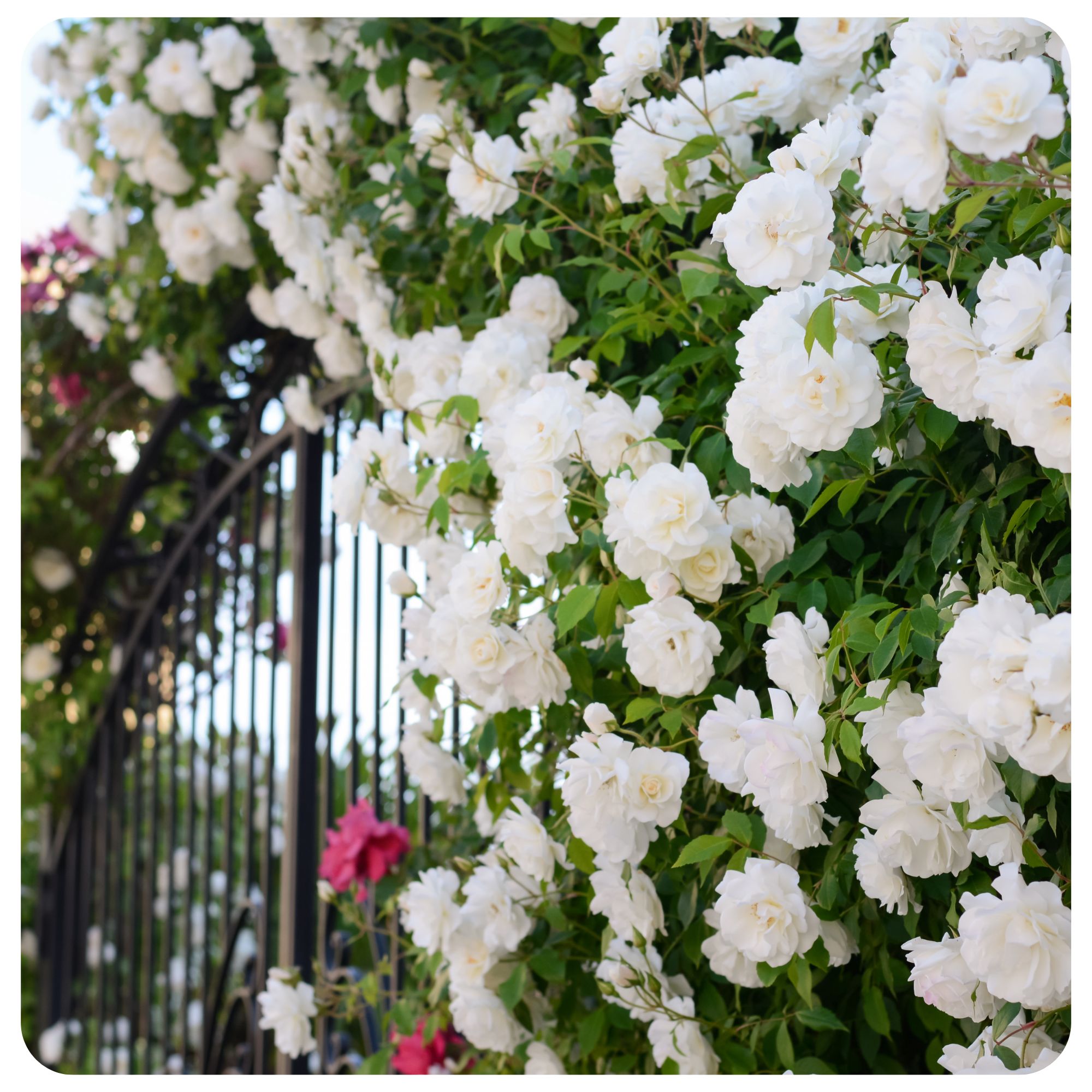
Climbing roses produce long stems that can be trained upwards against a support.
Unlike self-clinging climbers, roses usually need to be tied carefully to wires, trellis or another sturdy structure as they grow. Once established, they can cover a large vertical area with foliage and flowers.
Climbing roses are ideal for:
- Walls and fences
- Pergolas
- Garden arches
- Obelisks
- Large trellis panels
- Adding height to cottage gardens
Which Rose Is Best for a Small Garden?
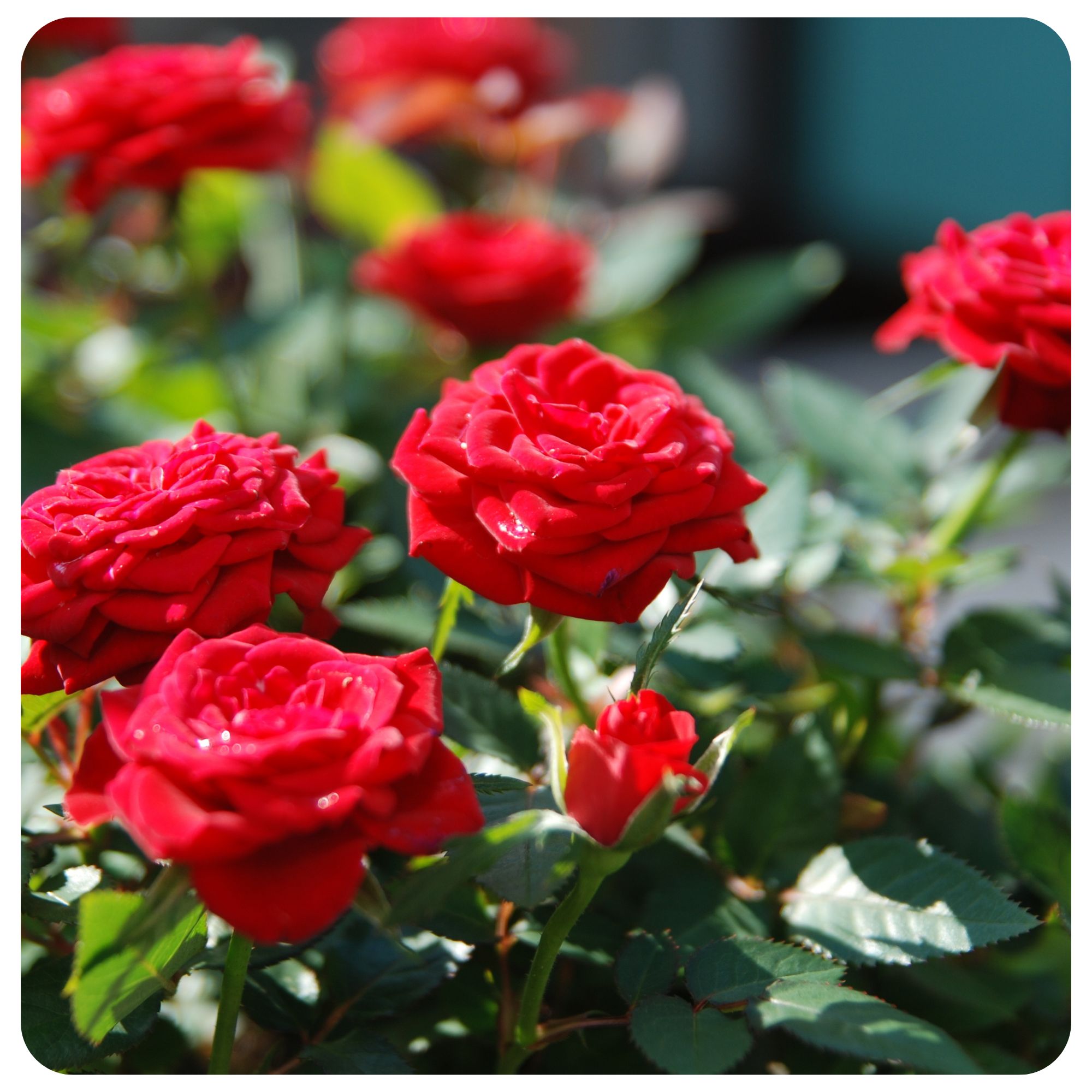
All three types can work in a small garden when chosen carefully.
A compact bush rose is ideal when you have a small border or a large patio pot. It gives you a traditional rose display without needing a wall or support.
Carpet roses are useful for narrow beds, the front of borders and low planting around patios. Their spreading habit helps fill space without blocking views.
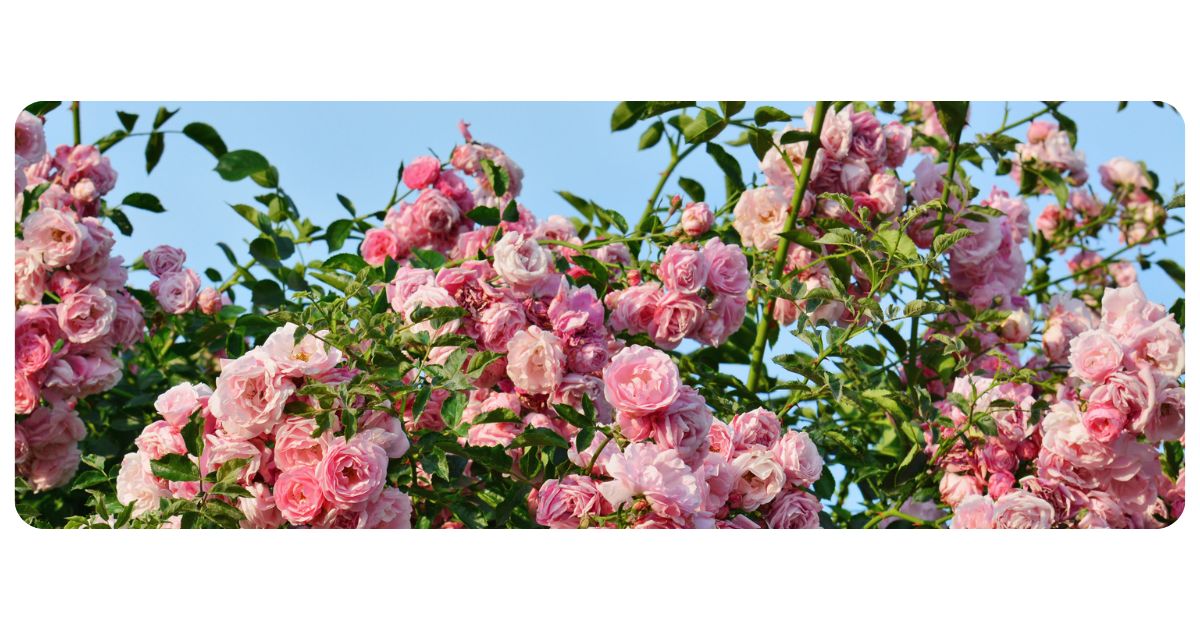
A climbing rose can be one of the best choices where floor space is limited. By growing upwards against a fence, wall or arch, it adds height and colour without taking up a large area of the garden.
Which Rose Suits Your Garden Style?
Cottage Gardens
Bush and climbing roses suit the relaxed, layered look of a cottage garden. Combine them with lavender, foxgloves, nepeta and other flowering perennials.
Climbing roses look especially effective over arches, pergolas and doorways, creating a soft and romantic atmosphere.
Formal Gardens
Bush roses are the natural choice for formal planting.
Use one variety repeatedly in straight rows, symmetrical borders or dedicated rose beds. Keeping the colours and spacing consistent will create a neat, structured appearance
Contemporary Gardens
Carpet roses can work beautifully in modern spaces, particularly when planted in simple groups or large containers.
Choose one colour and repeat it alongside ornamental grasses or neatly clipped evergreens for a clean, uncomplicated display.
Wildlife-Friendly Gardens
Open and semi-double rose flowers can be easier for pollinators to access than densely packed blooms.
Roses also add shelter, structure and seasonal interest to wildlife-friendly planting schemes. Several roses sold by Simply Plants are listed as attractive to bees and other beneficial garden wildlife.
Can Roses Grow in Pots?
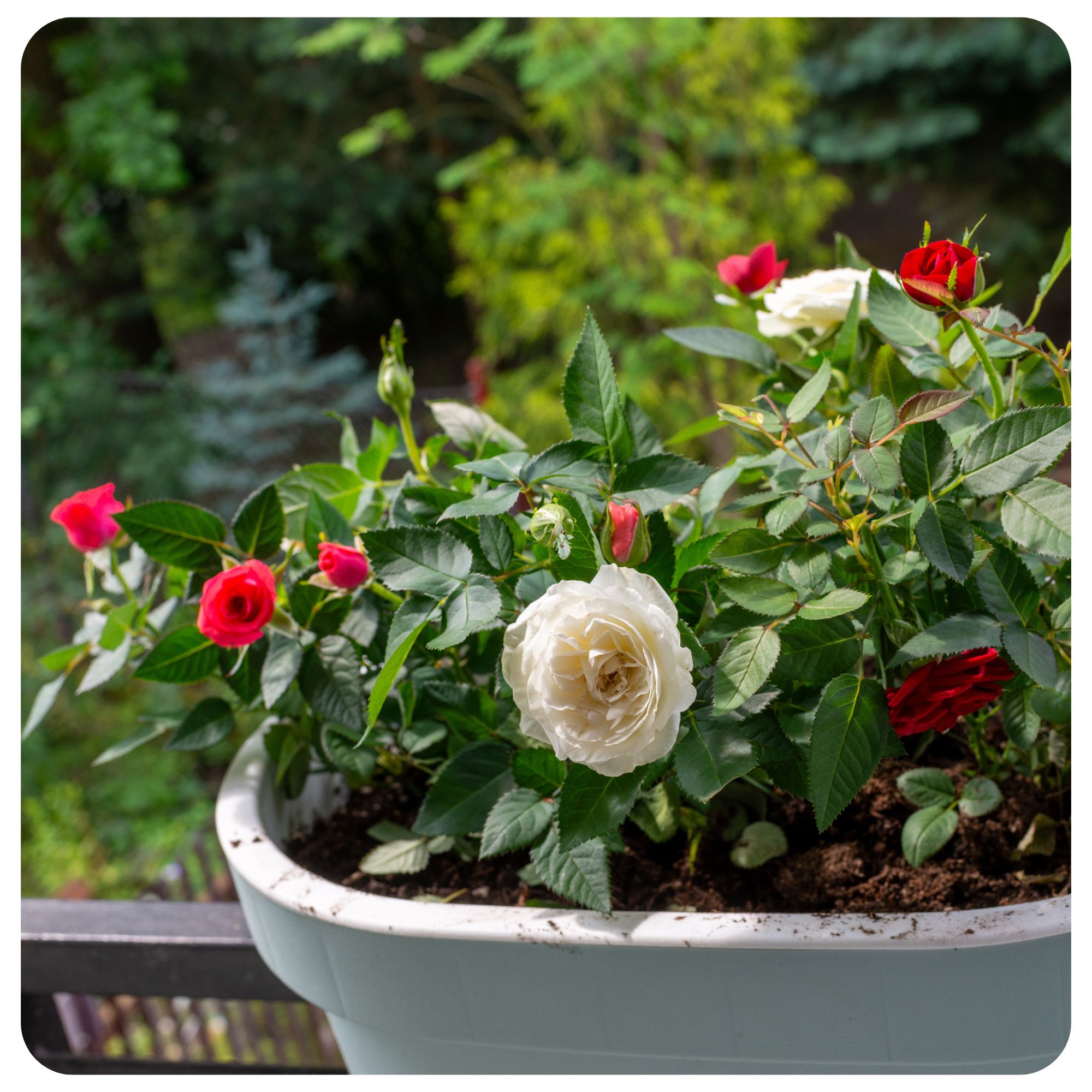
Bush and carpet roses can both grow well in sufficiently large containers.
Choose a sturdy pot with drainage holes and use a good-quality compost. Position the container in a sunny place and water regularly during warm weather, as pots dry out faster than garden soil.
Compact climbing roses may also be grown in large containers, but they will still need strong support and more space for their roots.
Avoid using a very small pot, as roses are hungry plants and perform best when they have enough room to develop.
How Should You Care for Roses?
Most roses perform best in a sunny position with fertile, well-drained soil.
Water regularly while the plant establishes and during prolonged dry spells. Apply a suitable rose feed during the growing season to support healthy growth and flowering.
Deadheading faded blooms can help keep the plant tidy and encourage repeat-flowering varieties to produce further flowers.
Pruning depends on the type of rose:
- Bush roses are generally pruned to maintain a healthy, open shape
- Carpet roses usually need only light shaping and the removal of damaged stems
- Climbing roses need their main framework maintained, with flowering side shoots shortened when appropriate
Always check the specific care instructions for your chosen variety.

Bush, Carpet or Climber: Which Should You Choose?
Choose a bush rose for a classic, rounded flowering shrub that works well in borders and containers.
Choose a carpet rose for low, spreading colour at the front of a border, across a bank or in a large patio pot.
Choose a climbing rose when you want to cover a wall, fence, arch or pergola and make use of vertical space.
The right choice depends on where you want the rose to grow and the overall look you want to create.
Find the Right Rose for Your Garden
At Simply Plants, you can explore bush, carpet and climbing roses for a wide range of garden spaces and planting styles.
Whether you want a neat patio feature, colourful ground cover or a romantic climber for an archway, choosing the correct growth habit will help your rose settle into the space and look its best.
No fuss, no overthinking — just beautiful roses chosen for the way your garden grows.