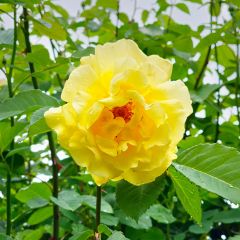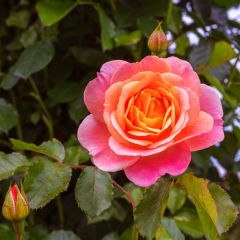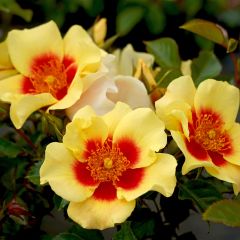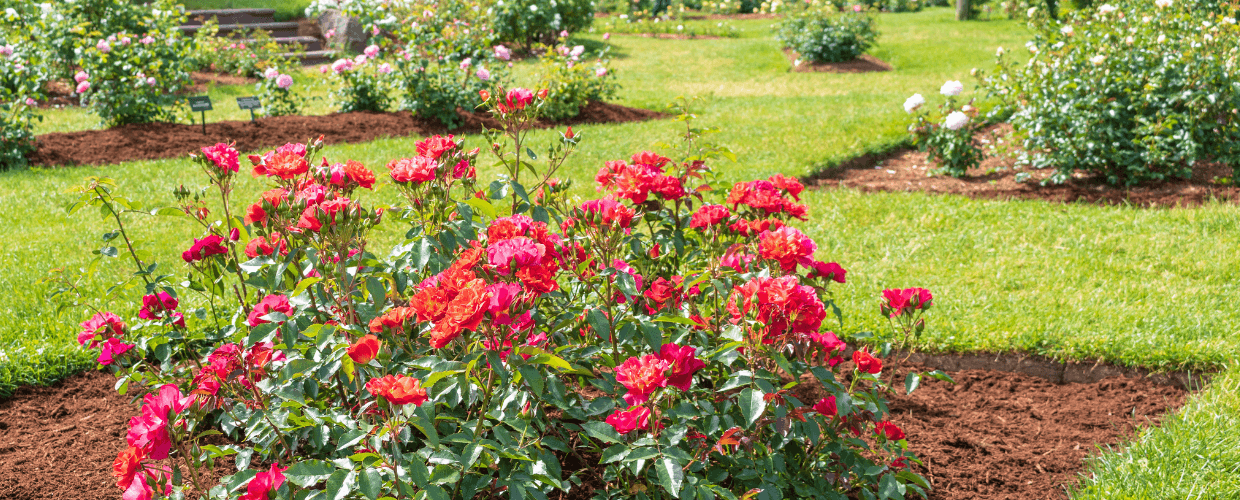
Roses are among the most beloved flowers for gardens, bouquets, and landscapes, cherished for their beauty and fragrance. However, the variety of roses available can feel overwhelming, from hybrid teas to climbers and ramblers. This guide helps you navigate the different types of roses, their characteristics, and where they flourish, so you can pick the varieties that will bring lasting joy to your garden.
What Are the Main Categories of Roses?
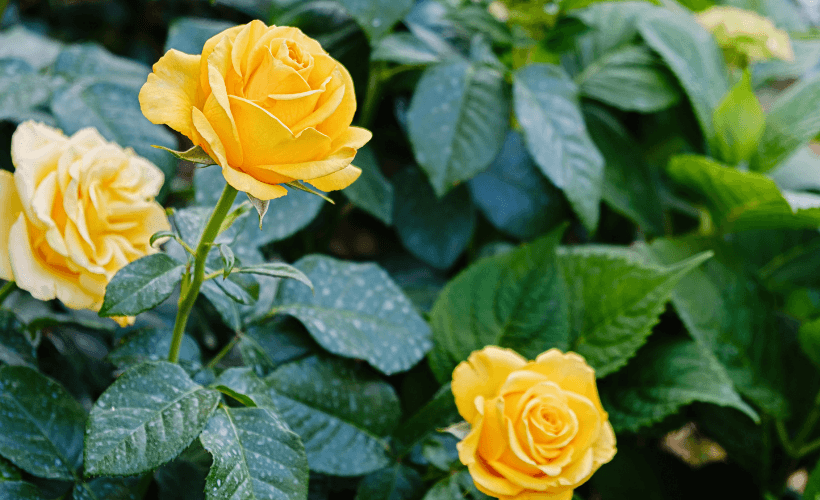
- Hybrid Tea:Classic floral arrangement roses with large, pointed buds set singly on long stems. These often have high petal counts and are what's typically seen in florists' bouquets
- Floribunda:These produce flowers in clusters rather than singly, offering profuse blooms that cover the shrub. They tend to be hardier and easier to care for than hybrid teas
- Grandiflora:A cross between hybrid teas and floribundas, these roses have large blooms in clusters. They are generally taller and vigorous, combining traits from both parents
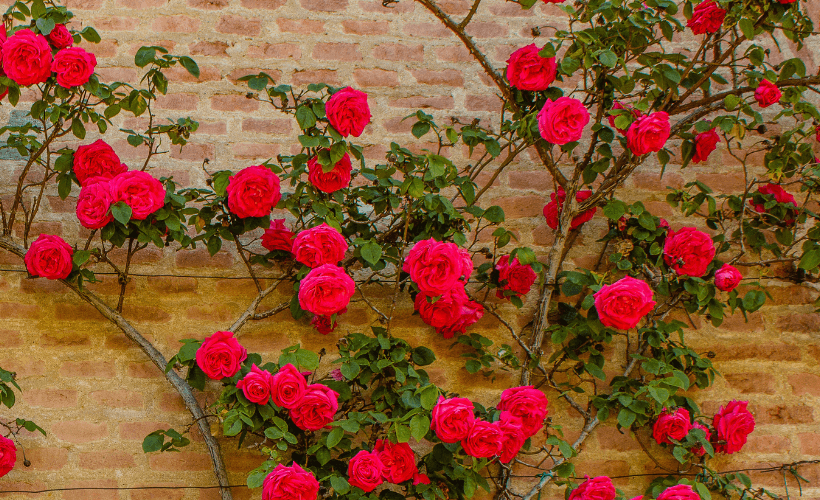
- Climbing:Not a type but a growth habit; these roses feature long canes that can be trained along supports such as fences, trellises, and pergolas. Most are repeat flowering
- Rambling:Similar to climbers but more vigorous and often only bloom once with masses of smaller flowers over wide areas
- Shrub:Tough and versatile, shrub roses bloom in clusters over a prolonged period and are often used for hedges and mass plantings
- Groundcover:Low-growing, spreading roses that produce continuous blooms and often resist pests and diseases, ideal for filling in spaces
- Miniature & Patio:Compact versions of the other types, perfect for containers or small gardens
- Hybrid teas are prized for their cut flowers and elegant form but may need more care
- Floribundas bring colour abundance with lower maintenance, ideal for borders or mass planting
- Grandifloras offer a blend of size and flower cluster density, great for imposing garden displays
- Climbing roses bring vertical interest and can cover structures effectively, often adding fragrance
- Ramblers bloom profusely but usually only once yearly, excellent for wild or informal areas
- Shrub roses are hardy and disease-resistant, suitable for beginners or climate-challenged gardens
- Groundcover roses thrive with little fuss and produce a continuous display of flowers, good for erosion control or low ground spaces
- Miniature roses add charm to patios and small spaces, flowering prolifically despite their size
- Consider bloom times and whether you want repeat flowering roses for continuous colour
- Think about the garden’s space, climbers suit vertical planting, miniatures fit container pots
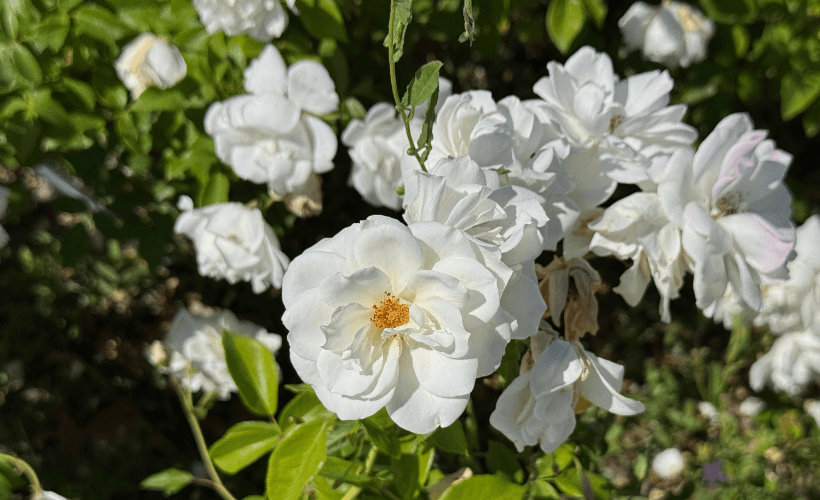
- Assess local climate and soil conditions; some roses, like albas and shrub roses, excel in colder or shadier spots
- Factor in fragrance and flower size preferences
- If you are new to roses, floribundas and shrub roses are reliable choices with easier care.
Roses broadly fall into three categories: Old Garden Roses, Wild Roses, and Modern Roses. Understanding these groups gives a solid foundation for identifying and selecting roses suited to your needs.
Old Garden Roses Old Garden Roses, also called antique or historic roses, existed before 1867. Known for their strong fragrance and once-a-season bloom, they often show great hardiness.
Wild Roses Wild Roses are the species roses, simple, usually pink, with single five-petal blooms. They are the ancestors of all modern hybrids, treasured for their simplicity and ecological benefits.
Modern Roses Modern Roses are the most common in today's gardens. Bred after 1867, these are repeat bloomers with larger flowers, popular for their continuous flowering and varied colours, though they may lack the scent and hardiness of older varieties.
How Do I Identify Different Types of Roses?
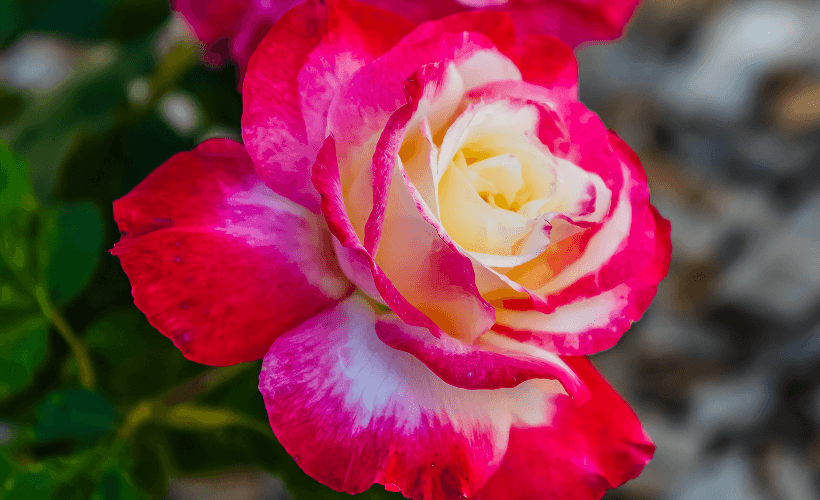
Identifying roses involves looking at bloom shape, size, plant habit, and flowering patterns. Here are key rose types to recognise:
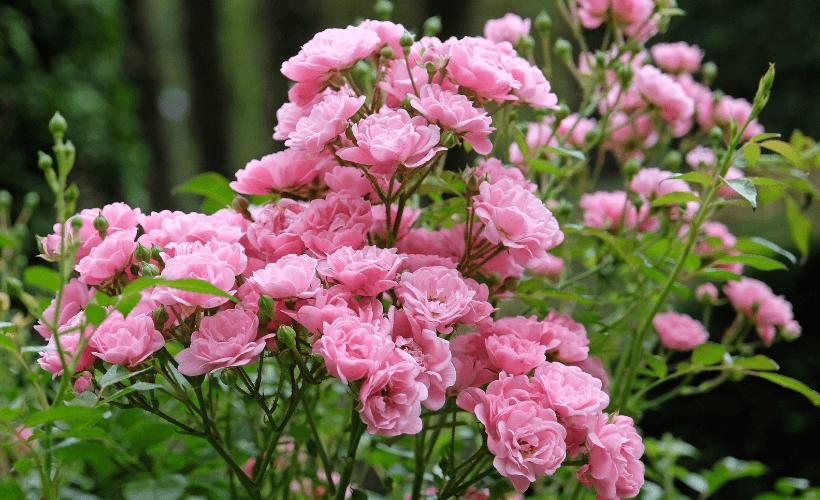
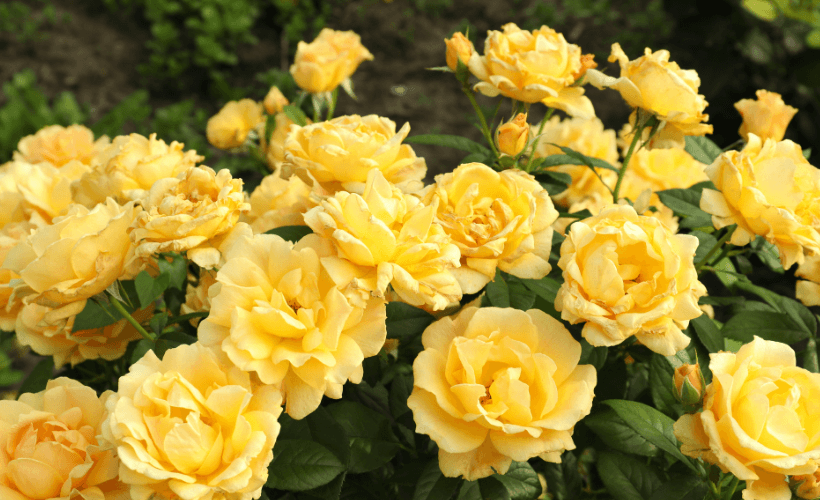
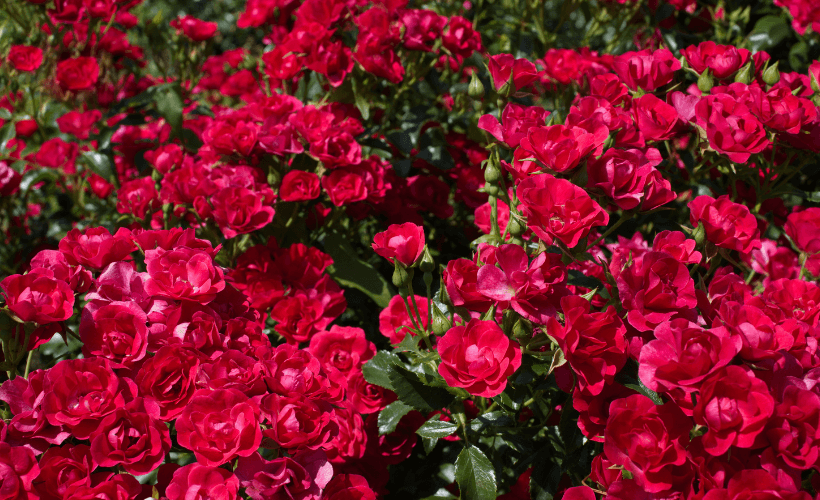
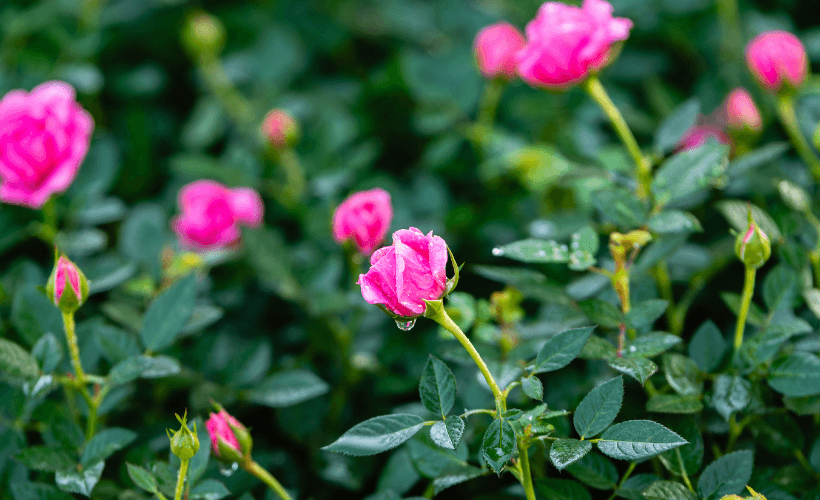
What Are the Unique Features of Popular Rose Varieties?
Each rose variety serves different gardening purposes:
How Do I Choose the Right Roses for My Garden?
Choosing roses depends on your garden size, climate, desired maintenance level, and purpose:
What Common Challenges Do Rose Gardeners Face?
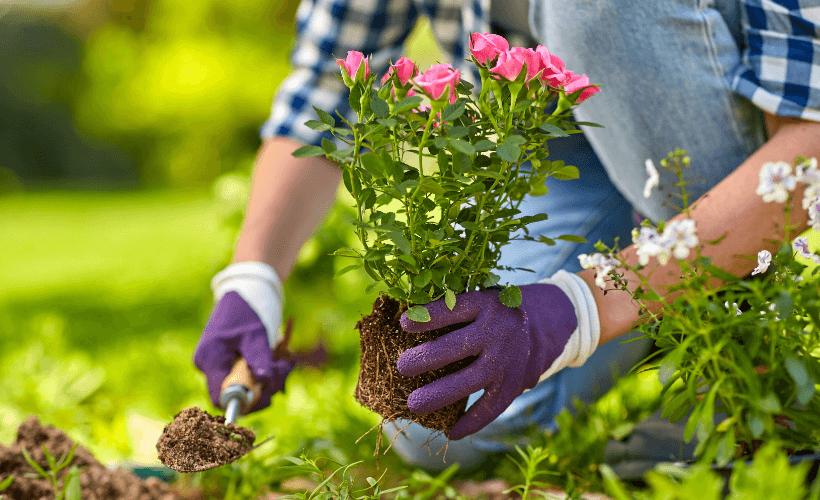
A good approach is to research varieties reputed for reliability and suitability to your environment. Joining rose-growing communities or consulting trusted gardening experts can also guide you to varieties that have performed well in similar gardens.
Considering disease resistance and maintenance requirements helps avoid frustration. Knowing that roses vary in fragrance and bloom times helps set realistic expectations.
Explore Our Collection of Easy-to-Grow Roses
Transforming your garden with roses can be simple and enjoyable. Whether you’re looking to add elegant hybrid teas, vibrant floribundas, or charming climbers, there’s a perfect rose to suit your style and garden space.
Our simply plants rose collection offers robust, reliable rose varieties with clear guidance to help you choose with confidence. We prioritise easy-to-grow, low-fuss plants that bring stress-free beauty to your garden.
You might find browsing by rose type, bloom time, and garden use helps clarify your choices. Our team is here to support you every step of the way, from selection to planting and care tips.
Ready to bring rose beauty and scent into your garden? Explore our rose selection and enjoy the joy roses bring without overwhelm or guesswork.