Choosing between annual and perennial plants is one of the first decisions that shapes how your garden looks, feels, and grows over time. While both offer colour and character, they behave very differently when it comes to lifespan, maintenance, and overall impact. Understanding these differences can help you create a garden that not only looks great, but also fits your lifestyle and how much time you want to spend maintaining it.
In this guide, we break down exactly what sets annuals and perennials apart, along with the role of biennials, so you can plan a garden that delivers both instant results and long-term beauty with confidence.
What Are Annual Plants?
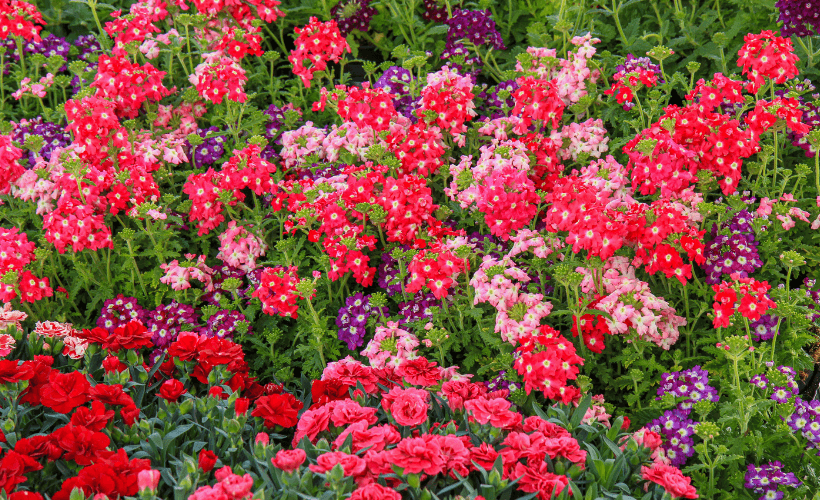
Annual plants complete their entire life cycle in just one growing season, from seed to flower to seed again, before dying off. These plants bloom continuously through the season, often providing a long-lasting splash of colour that brings instant vibrancy to any garden or container.
Although annuals require replanting each year, their fast growth and bold blooms offer flexibility in garden design. You can literally change your garden’s look year on year by swapping out annual varieties. This makes them popular for gardeners who enjoy experimenting with colours and styles regularly.
What Are Perennial Plants?
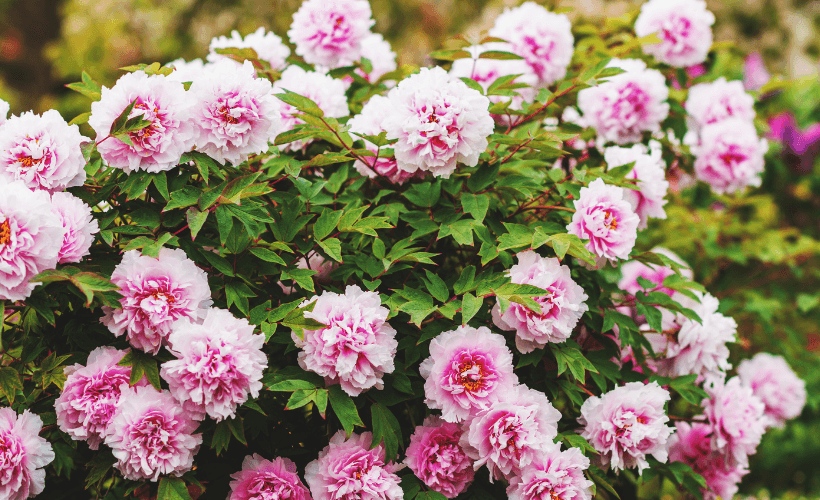
Perennial plants live for multiple years, growing back each spring from established roots even if their above-ground parts die back over winter. They often take longer to establish than annuals but repay your patience with longevity and reliable returns every season.
Perennial blooms tend to appear for shorter, specific periods within the growing season, unlike annuals’ longer flowering spans. However, their continued presence provides structure and continuity to garden settings, forming the backbone for year-round interest alongside seasonal annuals.
Perennials also vary in hardiness, with some needing winter protection or indoor care in colder climates. Their slower growth means planning ahead is useful to integrate them well with faster-growing plants.
Biennials: The Middle Ground Between Annuals and Perennials
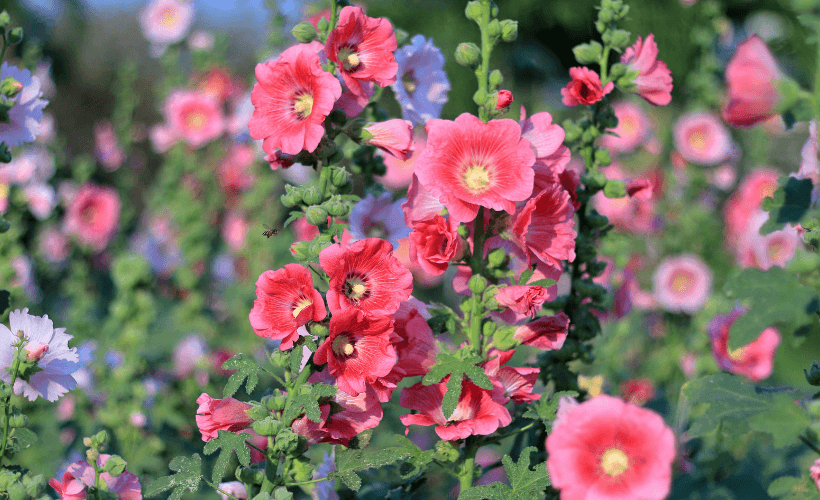
Biennial plants complete their life cycle over two years. In the first year, biennials focus on leaf and root growth, often forming a rosette close to the ground. In their second year, they bloom, set seed, then typically die.
Common biennials include foxglove, hollyhocks, and forget-me-nots. Because they don’t flower in their first year, biennials require patience but can be excellent transitional plants in a garden, filling gaps before perennials mature and adding recurring interest over multiple years.
You can stagger biennial plantings to ensure a steady presence of blooms and colour, making them a valuable addition for gardeners seeking variety without annual replanting every year.
Key Differences Between Annuals and Perennials: What You Need to Know
-
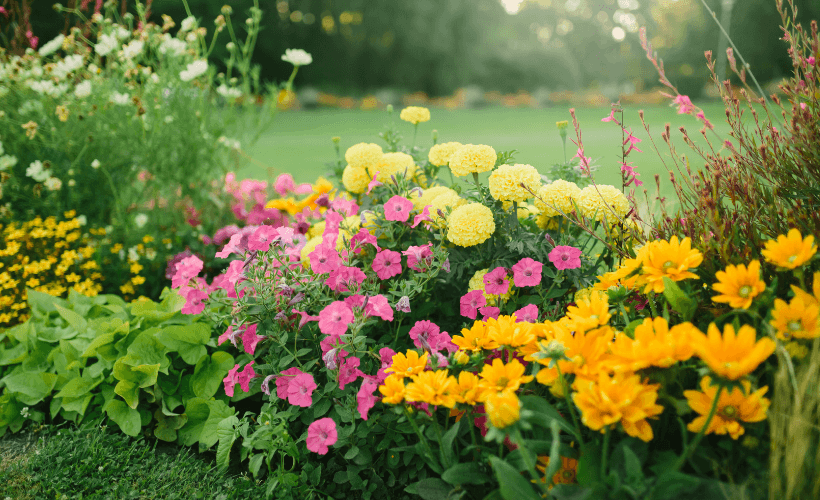
Lifespan: Annuals live one growing season; perennials live three or more years. Biennials fall in between with two-year cycles.
-
Bloom Time: Annuals typically flower longer and more profusely throughout their season. Perennials have shorter, specific bloom periods.
-
Cost & Labour: Annuals require yearly purchase and planting, increasing ongoing costs and effort. Perennials have higher upfront costs but lower maintenance and replacement needs over time.
-
Garden Design Flexibility: Annuals allow quick changes and seasonal updates, whereas perennials provide stable, long-term structure.
-
Growth & Competition: Annuals grow fast and bloom continuously; perennials grow slower and may be outcompeted if mixed closely with annuals without planning.
-
Cold Hardiness: Some perennials survive colder winters naturally; annuals usually do not. Tender perennials might be grown as annuals in cooler areas.
-
Biological Nature: Perennials may appear “more evolved” due to longevity, but each kind has distinct advantages depending on gardening goals.
Understanding these differences helps you decide which plant types suit your lifestyle, garden goals, and local growing conditions best.
How to Choose Between Annuals and Perennials in Your Garden
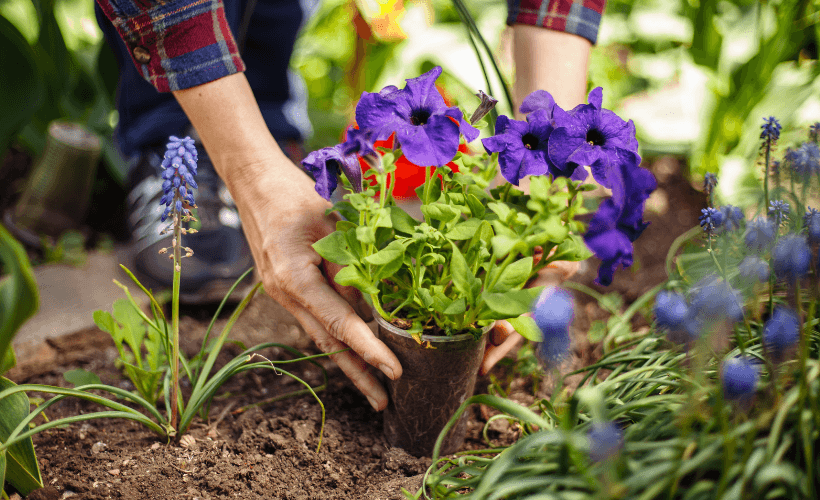
Your decision usually depends on balancing labour, budget, design preferences, and climate resilience. Gardens greatest visual impact often comes from combining both.
-
If you enjoy changing your garden look every season and want continuous colour, annuals are a great choice.
-
If you prefer lower maintenance long-term investment with reliable return, perennials will serve you well.
-
Mix both types in garden beds and containers to maintain colour continuity through different bloom times.
-
Consider biennials as an interesting in-between for longer interest without annual replanting.
-
Factor in whether your local climate supports hardy perennials or requires growing tender ones as annuals.
-
Evaluate growth rates and space to avoid annuals overwhelming slower-growing perennials.
Your guide to successful planting could weave these insights with personal preferences to create harmonious, flourishing outdoor spaces.
Caring for Annual, Perennial, and Biennial Plants with Confidence
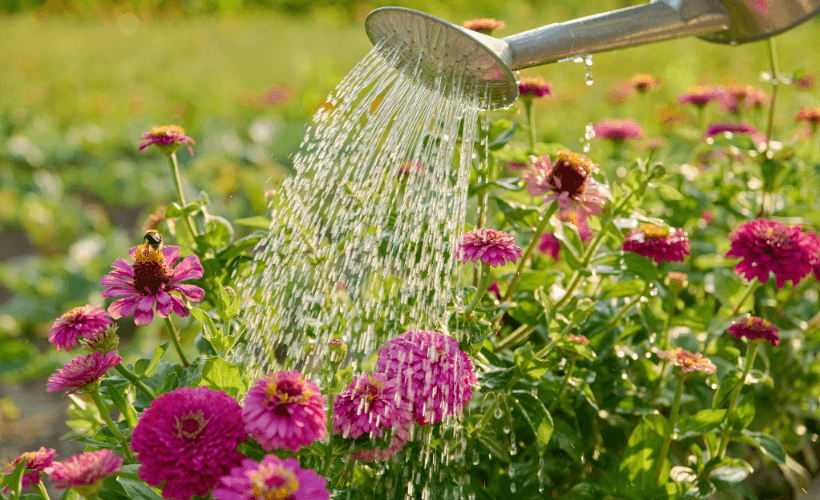
Different plant types require tailored care to thrive. Annuals appreciate regular feeding and consistent watering to maximise their blooming vigour. Perennials benefit from good soil preparation, seasonal pruning, and occasional division to maintain vigour. Biennials need patience and protection through their two-year cycle to maximise their beauty.
Mulching and winter protection can extend perennial life especially in colder regions. Avoid overcrowding to reduce competition, particularly when mixing annuals and perennials.
By understanding your plants’ nature and needs, your gardening not only becomes less daunting but more rewarding.
Make Your Garden Simple and Beautiful with simply plants
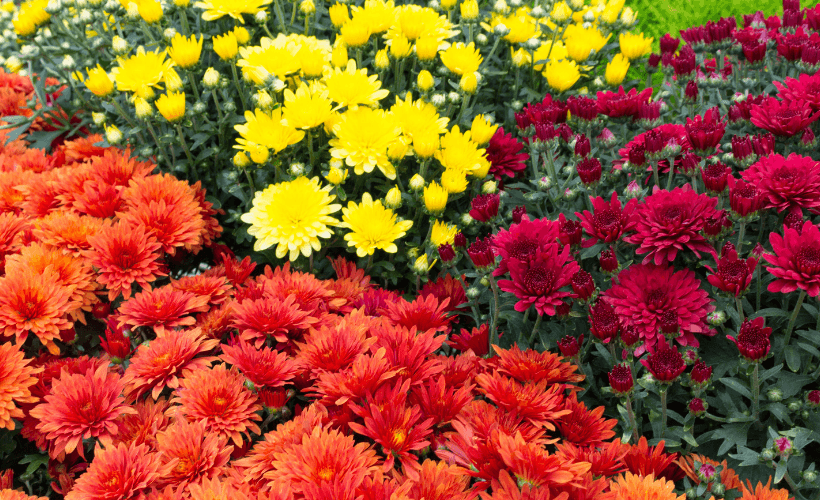
Choosing the right mix of annual, perennial, and biennial plants can transform your outdoor space without overwhelm. simply plants offers a carefully curated range of shrubs, perennials, and easy-to-grow plants, supported with clear guidance and expert advice.
Your garden can be a stress-free, colourful sanctuary with plants selected to suit your lifestyle, climate, and vision. With simply plants’ down-to-earth approach and reliable information, you gain confidence instead of confusion.